
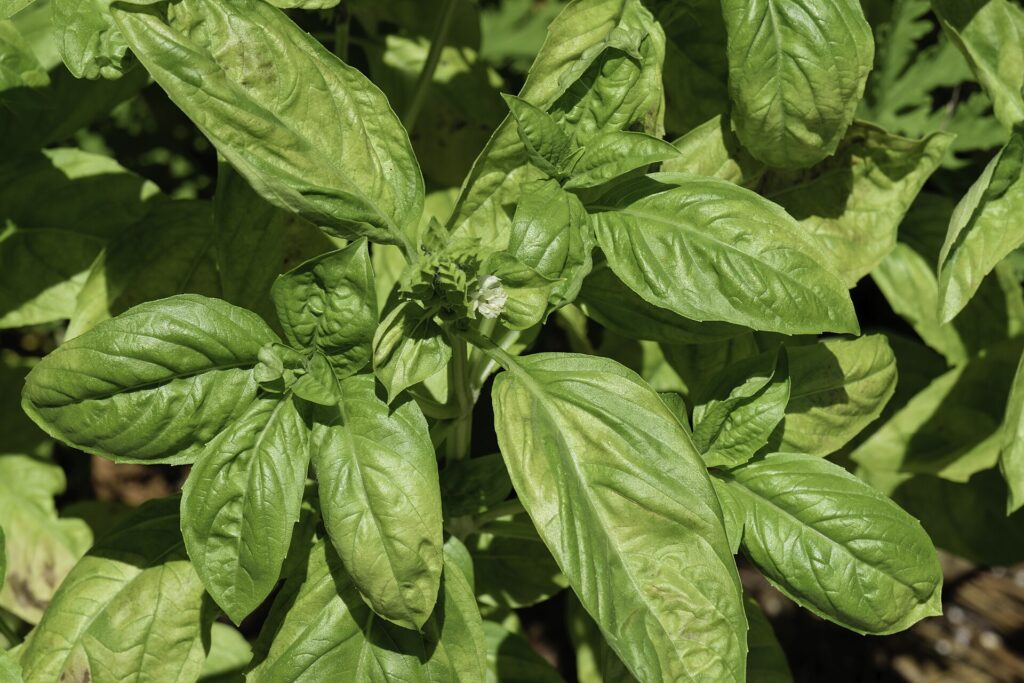
Sweet basil is the most popular herb in home gardens for good reason: it grows fast, smells wonderful, and turns ordinary meals into something special. Here are nine simple tips for growing a big sweet basil harvest in Slidell, New Orleans, and the rest of South Louisiana, plus ideas for using and saving what you pick. Ready to plant? Shop our basil plants for $5.
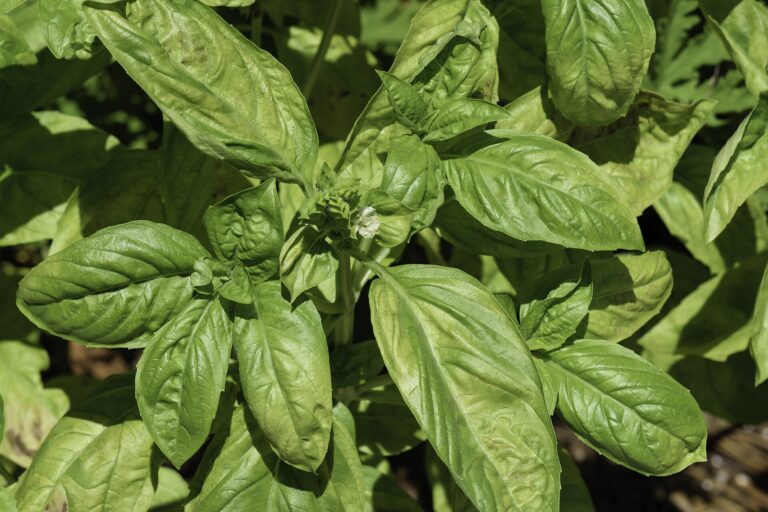
Tip 1: Plant Sweet Basil When the Weather Is Truly Warm
Sweet basil is a tropical-origin annual that hates cold. Planting too early is the most common mistake. Wait until after the last frost and until nights stay comfortably warm before setting plants outside. In South Louisiana, mid-spring through early summer is the main planting window, and a second planting in late summer gives you fresh leaves into fall. If a cool night is forecast after planting, cover young plants or bring containers inside.
Tip 2: Give It Full Sun, With a Little Afternoon Relief
Aim for at least six hours of direct sun. More sun means more leaves and stronger flavor. During the hottest stretch of July and August, sweet basil in pots appreciates a spot that gets shade in the late afternoon, which keeps it from drying out too fast.
Tip 3: Use Loose, Well-Drained Soil
Heavy, soggy soil is hard on roots. In the ground, mix in compost and consider a raised bed, which drains quickly after our heavy summer rains. In containers, use fresh potting mix and a pot with drainage holes at least 8 to 12 inches wide for each plant. Avoid filling pots with garden soil, which compacts and holds too much water.
Tip 4: Water Consistently
Sweet basil likes even moisture. Let the top inch of soil dry slightly, then water deeply at the base of the plant. Morning watering is best because leaves dry quickly in the sun, which reduces disease. Containers in summer may need water every day; beds usually need water a couple of times a week when it does not rain.
Tip 5: Pinch Early and Often
This is the tip that makes the biggest difference. When a plant is about 6 inches tall, pinch off the top set of leaves just above a leaf pair. Two new stems will grow from that spot. Keep pinching the tips every week or two, and within a month you will have a bushy, branching plant instead of a single tall stem.
Tip 6: Do Not Let It Flower
When sweet basil starts to form flower spikes, it shifts energy from leaves to seeds, and the flavor can turn bitter. Pinch off flower buds as soon as you see them. If you want to feed pollinators, let one plant bloom and keep the rest for the kitchen.
Tip 7: Harvest the Right Way
- Cut stems just above a leaf pair rather than pulling individual leaves from the bottom.
- Harvest from the top of the plant, which also keeps it bushy.
- Take no more than one-third of the plant at a time so it can keep growing.
- Pick in the morning, when leaves are full of moisture and aroma.
Tip 8: Feed Lightly
A light hand with fertilizer gives the best flavor. Mix compost into the soil at planting and feed every few weeks with a balanced fertilizer at the label rate. Plants in pots need feeding more often than plants in the ground because nutrients wash out with frequent watering.
Tip 9: Watch for Downy Mildew
In humid weather, sweet basil can develop downy mildew, which shows up as yellowing leaves with grayish fuzz on the undersides. Space plants for good airflow, water the soil instead of the leaves, and pull out badly infected plants so the disease does not spread. Starting fresh plants in a new spot is often the quickest fix.
Sweet Basil Varieties and Relatives
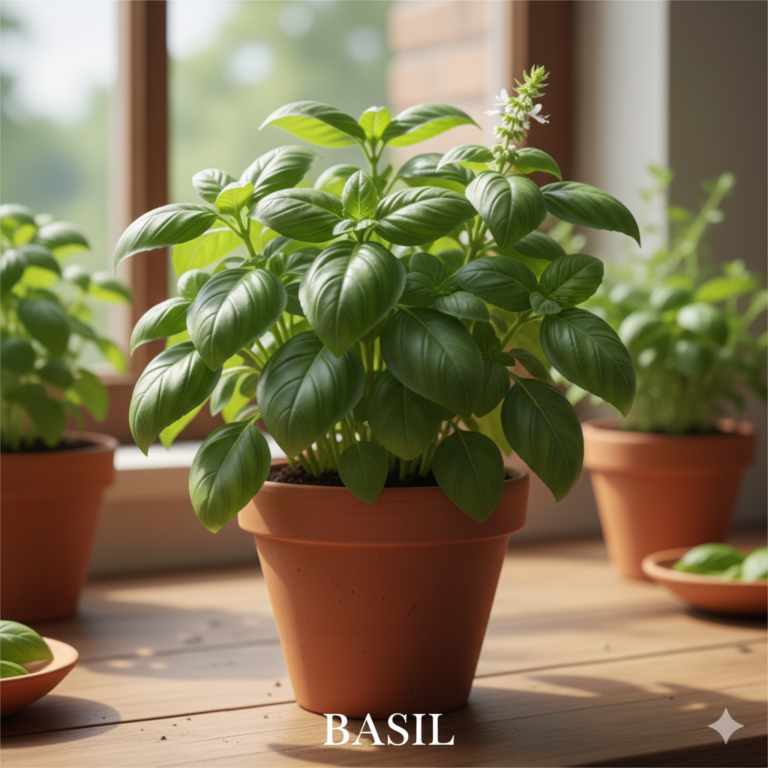
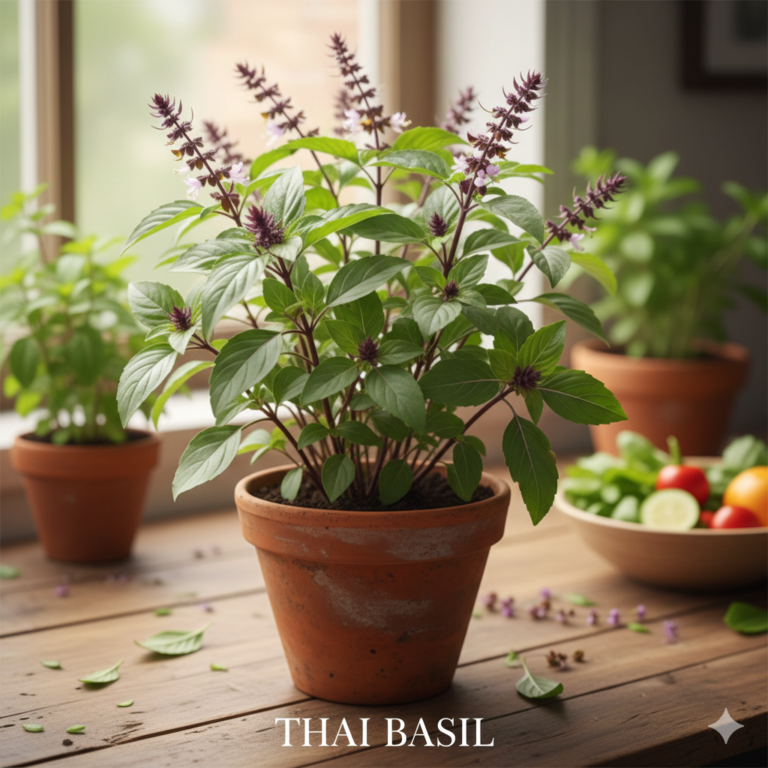
Sweet basil is the classic Italian type with large, tender green leaves. Its relatives offer different flavors: Thai basil has a licorice-like aroma and purple stems, and other types range from lemony to spicy. Growing a couple of kinds side by side is a fun way to compare flavors in the kitchen.

Simple Homemade Pesto
Pesto is the best way to use a big harvest. This easy version makes about one cup:
- Add 2 packed cups of fresh sweet basil leaves to a food processor.
- Add 1 or 2 garlic cloves, 1/3 cup pine nuts or toasted pecans, and 1/2 cup grated parmesan.
- Pulse while drizzling in about 1/2 cup olive oil until smooth.
- Season with salt, pepper, and a squeeze of lemon to taste.
Toss with pasta, spread on sandwiches, spoon over grilled shrimp, or stir into soups just before serving.
More Ways to Cook With Fresh Leaves
Beyond pesto, fresh leaves shine in simple dishes. Layer them with sliced Creole tomatoes, mozzarella, olive oil, and salt for a quick summer salad. Tear a handful over pizza right after it comes out of the oven. Stir chopped leaves into a pot of red gravy at the end of cooking, add them to vinaigrettes, or fold them into scrambled eggs. A few leaves muddled with lemon and sugar also make a refreshing lemonade on a hot afternoon.
How to Keep and Preserve Your Harvest
- Short term: keep cut stems in a glass of water on the counter, out of direct sun. Cold refrigerator temperatures can darken the leaves.
- Freezing: blend leaves with olive oil and freeze in ice cube trays, or freeze finished pesto in small portions.
- Drying: hang small bundles in a warm, dry, airy spot. Dried leaves are milder than fresh, so use more in recipes.
Growing Sweet Basil in Containers
A pot of sweet basil by the back door is the easiest way to remember to harvest. Choose a container with drainage, use quality potting mix, and place it where it gets plenty of sun. Check moisture daily in summer and feed every couple of weeks. A few pots can be moved into a bright garage or covered porch to extend the season if an early cold snap arrives in fall.
Sweet Basil Planting Calendar for South Louisiana
- Early spring: too cold for most years. Wait, or keep new plants in pots you can move indoors on chilly nights.
- Mid to late spring: prime planting time once nights stay warm. Set out plants in beds and containers.
- Early summer: pinch tops weekly and begin regular harvests. Add more plants if you want a steady pesto supply.
- Midsummer: water daily for containers, pinch off flower buds, and give pots some late-afternoon shade during heat waves.
- Late summer: start a fresh round of sweet basil from nursery plants or cuttings for a fall harvest.
- Fall: harvest heavily before the first frost and freeze the extra.
Start New Plants From Cuttings
Sweet basil is one of the easiest herbs to multiply for free:
- Cut a healthy stem about 4 inches long, just below a leaf pair.
- Remove the lower leaves so only the top few remain.
- Place the stem in a glass of water on a bright windowsill.
- Change the water every few days.
- When roots are an inch or two long, usually within a couple of weeks, pot the cutting in fresh potting mix.
Common Mistakes to Avoid
- Planting before it is warm. Cold nights stunt growth and can kill young plants.
- Harvesting only the bottom leaves. This leaves a tall, bare stem; harvest from the top instead.
- Letting it bloom. Flowers mean fewer leaves and stronger, sometimes bitter, flavor.
- Overwatering pots. Always use containers with drainage holes and let the top inch of soil dry slightly.
- Crowding plants. Tight spacing in humid weather invites disease; leave room for air to move.
Where to Buy Sweet Basil in Slidell
Slidell Nursery grows healthy sweet basil plants for $5, along with other kitchen favorites in our herbs collection such as mint, pineapple sage, and Texas tarragon. We deliver for $25 to Slidell and New Orleans ZIP codes, or pick up free at 1605 Lawes St, Slidell. Herbs are seasonal, so we confirm availability by call or text after you order: 504-475-8084.
To learn more about the herb’s history and many varieties, see basil on Wikipedia, and read our list of the best plants for Slidell gardens.
Sweet Basil FAQ
How long does it take to get a harvest?
Starting from a healthy nursery plant, you can usually begin light harvesting within a couple of weeks of planting, once it is growing well.
Why is my plant tall and floppy?
It needs more sun and more pinching. Move it to a sunnier spot and cut the top back above a leaf pair to encourage branching.
Can I grow it with tomatoes?
Yes. Many gardeners plant them together since both like warm weather, full sun, and steady water, and they go together in the kitchen too.
Will my plant survive winter?
Not outdoors. Frost kills it. Take cuttings in fall and root them in water on a sunny windowsill to keep a plant going until spring.