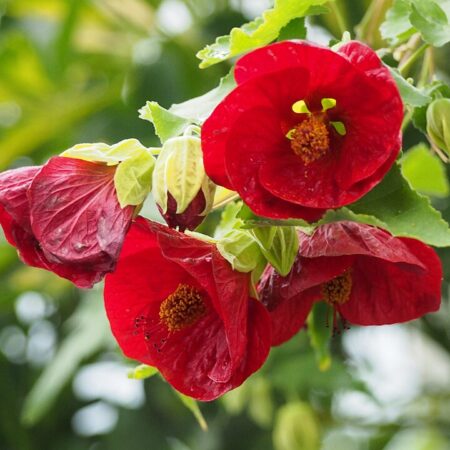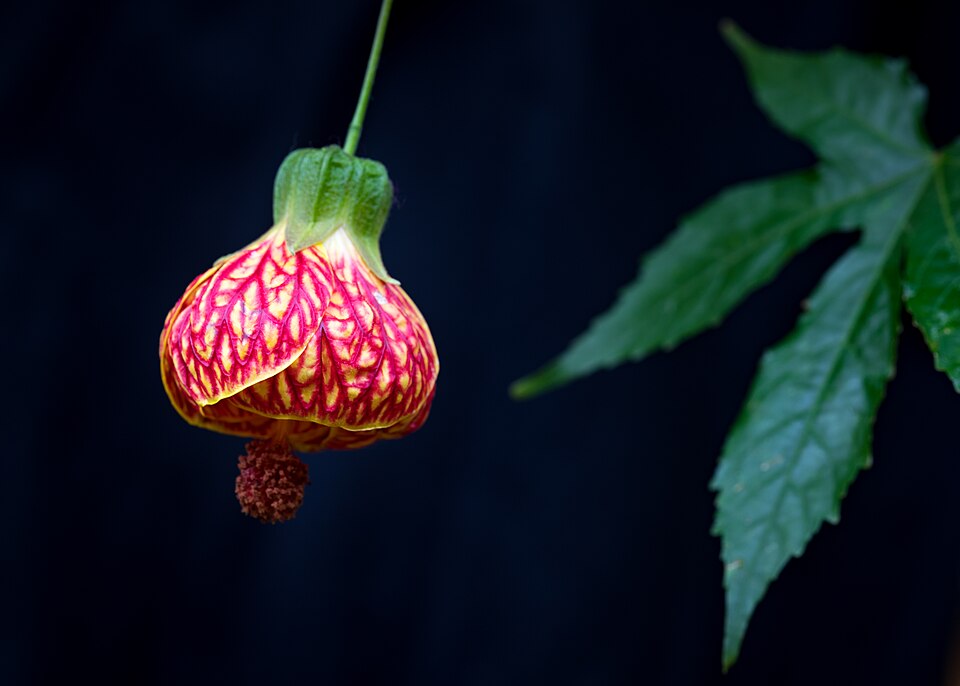
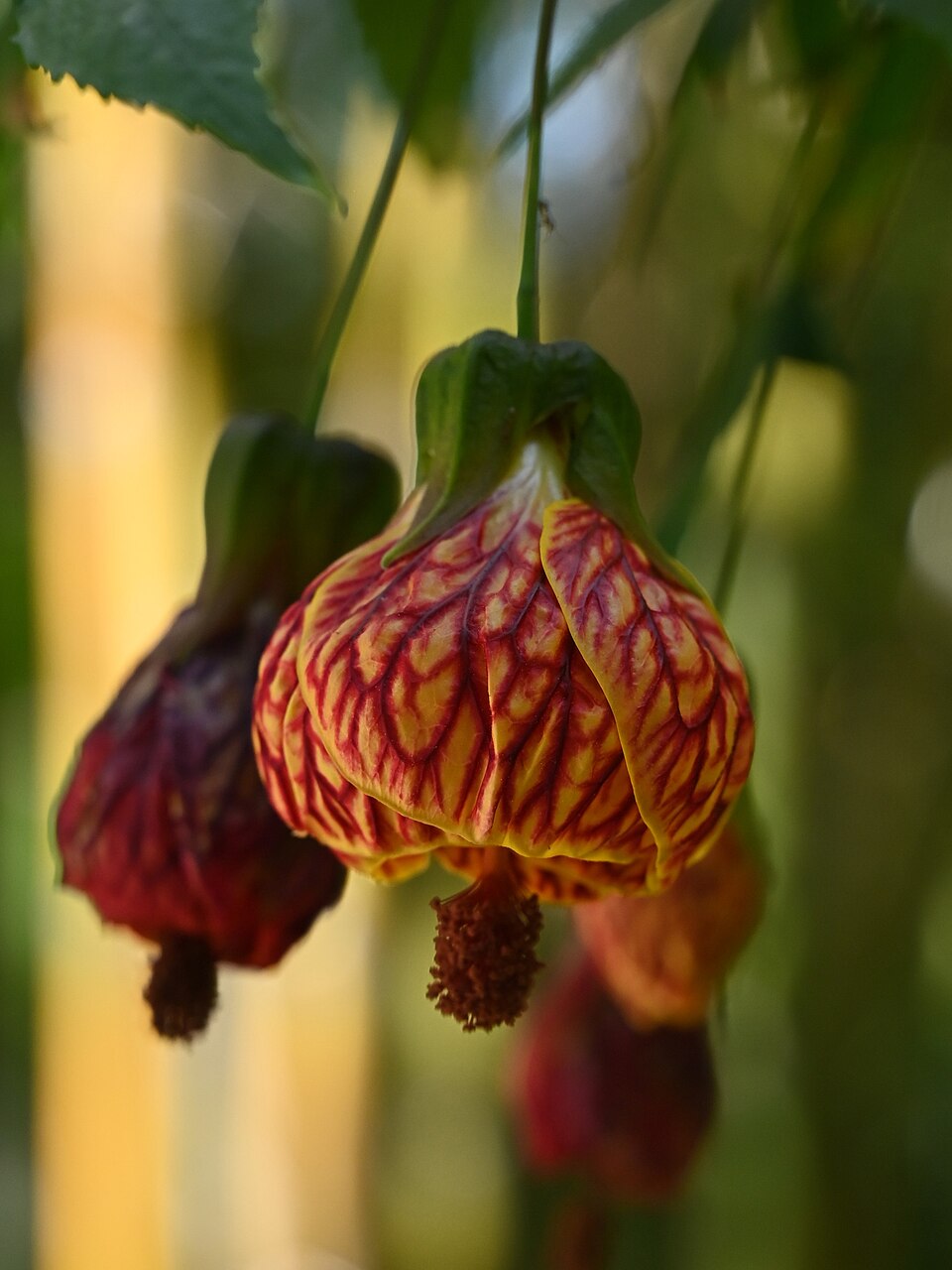
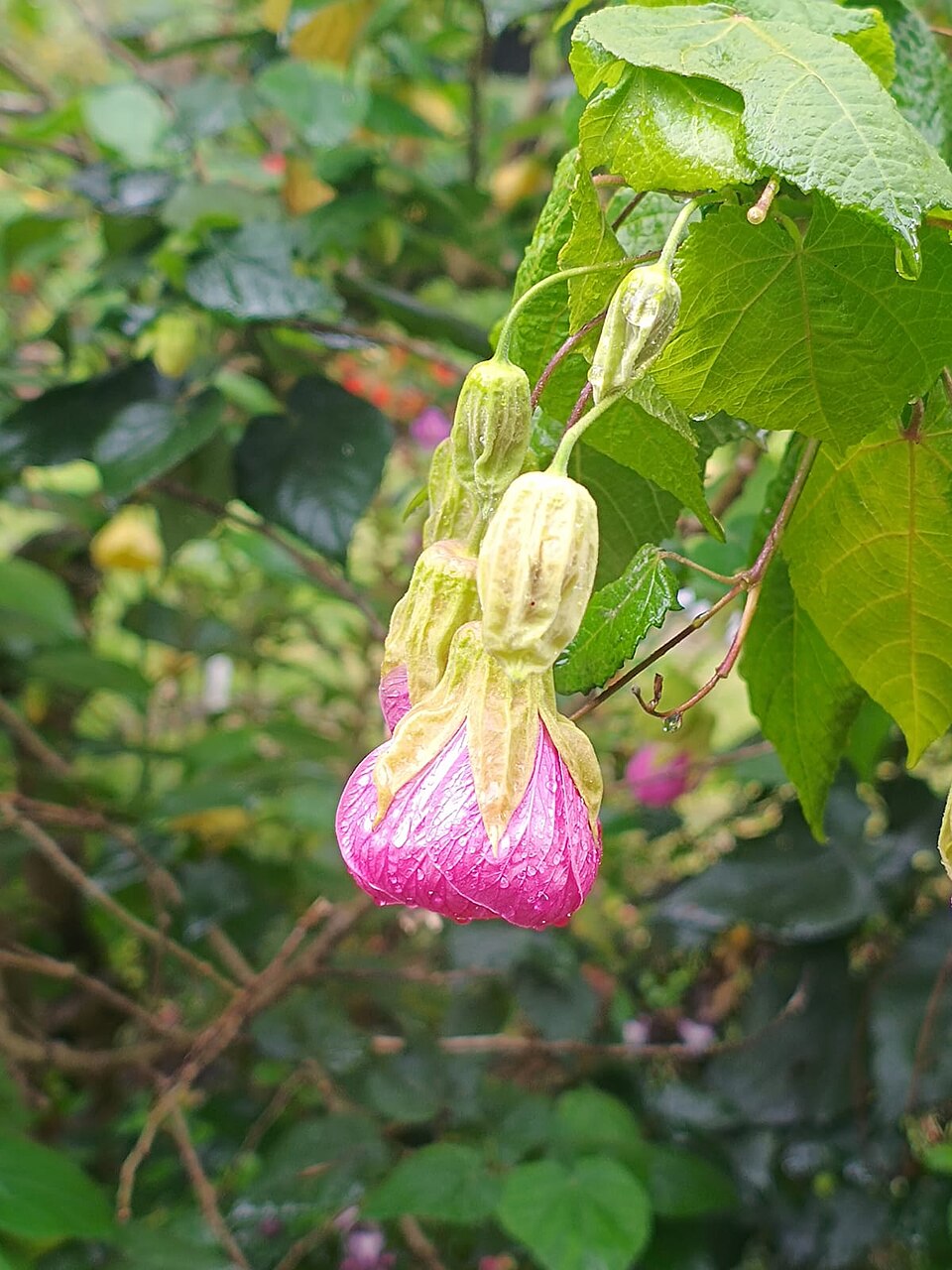
Flowering maple is an old-fashioned favorite with a lot of personality. Its dangling, bell-shaped blooms look like tiny paper lanterns, and its lobed leaves resemble a maple’s, which is how flowering maple got its name. It is also sold as abutilon or Chinese lantern. Our flowering maple is $20 in a 1 gal pot, an affordable size that is perfect for hanging baskets, mixed containers, and filling in shady-edge beds. Slidell Nursery serves Slidell, New Orleans, and the Northshore. Call or text 504-475-8084 to ask which colors we have right now.
What Is Flowering Maple?
Flowering maple is the common name for Abutilon, a group of shrubs in the mallow family, alongside hibiscus and okra. University of Florida extension notes that flowering maple is not related to true maples; the name only comes from the shape of the leaves. These plants were popular in the Victorian era as “parlor maples” grown indoors, and they are just as charming on a Southern porch today.
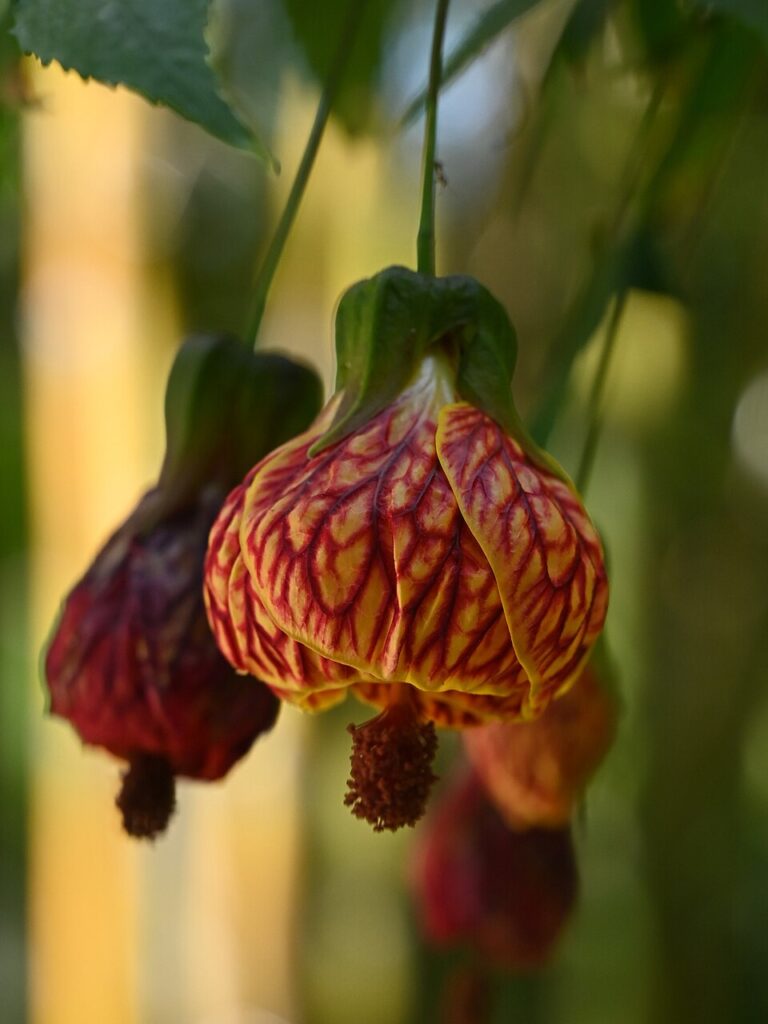
The LSU AgCenter describes flowering maple as a member of the hibiscus family that works well in Louisiana gardens, with flowers in many colors and growth styles. Blooms come in red, orange, yellow, pink, peach, and white, and some types have petals laced with darker veins, like the ones shown here.
Why Choose a 1 Gallon Flowering Maple?
- Great value: At $20, a 1 gal flowering maple is an easy way to try this plant or buy several for a mass planting.
- Perfect for baskets: University of Florida extension notes flowering maples do well in hanging baskets, where the downward-hanging flowers show off best.
- Mixed containers: The 1 gal size fits neatly into combination pots with other flowers and trailing plants.
- Grows quickly: In warm weather a young flowering maple fills out fast, especially with regular pinching.
- Hummingbirds and butterflies: The blooms attract both, even from a small plant.
Want a larger plant with more impact right away? See our abutilon in 3 gal for $40.
Size and Growth Habit
University of Florida extension describes flowering maples as low-growing woody shrubs, typically no more than about four feet tall and two feet wide, with somewhat brittle stems. A 1 gal plant starts small but grows steadily through the warm months. It can be kept bushy and compact with pinching, grown as a multi-stemmed shrub, or trained to a single stem to make a little standard tree for a pot.
Ideas for Using Flowering Maple
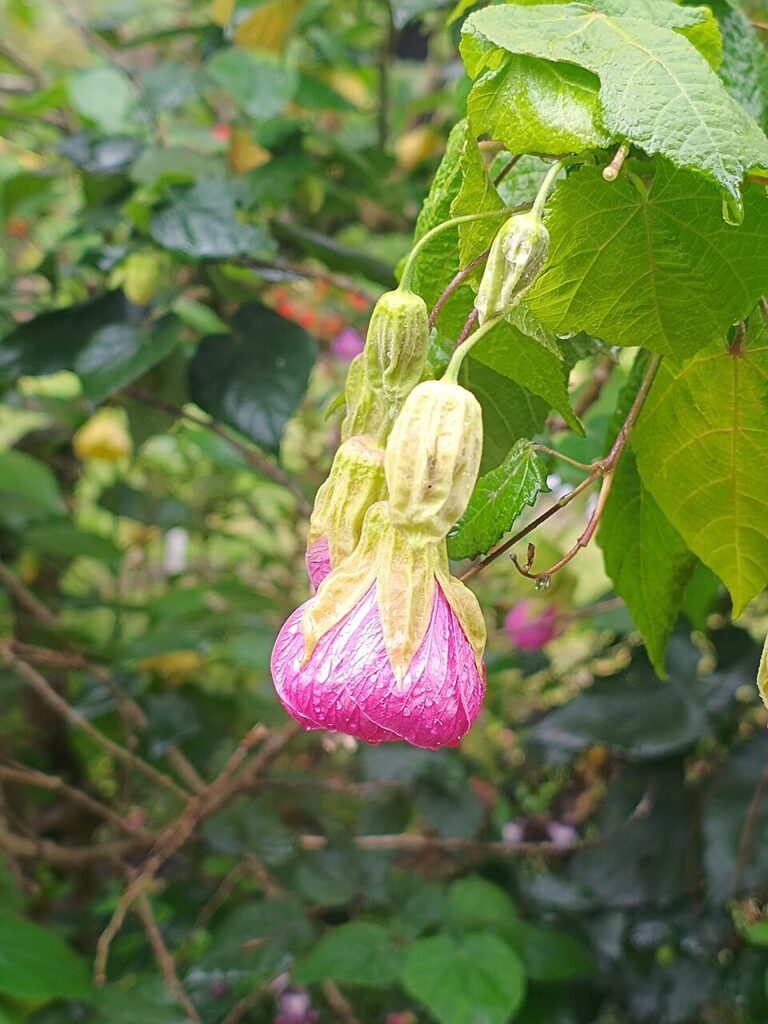
- Hanging baskets: Hang a basket of flowering maple from a porch beam so the lantern blooms dangle at eye level.
- Window boxes and planters: Combine with ferns, coleus, or trailing vines in boxes that get morning sun.
- Shady-edge borders: Plant a row along the bright edge of a tree canopy where full-sun shrubs struggle.
- Grow your own standard: Choose one strong stem, remove side shoots below the height you want, and pinch the top to form a rounded head.
- Bring it indoors: In winter, a potted flowering maple can live by a bright, sunny window and keep blooming.
Planting Your 1 Gallon Flowering Maple
For baskets and containers, use a quality potting mix and a container with drainage holes. Plant at the same depth it grew in the nursery pot and water until it runs out the bottom. In beds, dig a hole about twice as wide as the pot, mix in compost if your soil is heavy clay, set the plant level with the surrounding soil, backfill, and water well. Pinch the tips a week or two after planting to encourage branching.
How to Grow Flowering Maple
Light: Morning Sun, Afternoon Shade
University of Florida extension says to grow flowering maples in full sun or partial shade, and University of California IPM notes that they need partial shade in very hot climates. In Slidell and New Orleans, that usually means a spot with morning sun and shade during the hottest part of the afternoon. An east-facing bed, the edge of a tree canopy, or a covered porch with bright light are all good choices. Too much shade means fewer flowers; too much hot afternoon sun can scorch leaves and make the plant wilt.
Soil
Plant in well-drained soil enriched with organic matter. Mix compost or a quality garden soil into heavy clay, and avoid low spots where water stands after a storm. In containers, use a good potting mix and a pot with drainage holes. UC IPM notes that the plant does well in pots but needs good drainage.
Watering
University of Florida extension cautions that these plants do not like to dry out. Keep the soil evenly moist, not soggy. Check pots often in summer; small containers and hanging baskets can dry out in a single hot, windy day. In the ground, water deeply once or twice a week during dry spells, more often while the plant is getting established. A layer of mulch helps hold moisture in beds.
Fertilizing
Because it blooms over a long season, this plant benefits from regular, light feeding during the growing season. Use a slow-release flowering-plant fertilizer in spring, or a diluted liquid fertilizer every few weeks for container plants, following the label. Cut back on feeding in late fall and winter when growth slows.
Pruning and Pinching
University of Wisconsin extension notes these plants tend to become leggy and can turn into a scraggly shrub without regular pruning. Pinch the tips of young shoots to make the plant branch and stay bushy, and trim back long, lanky stems to just above a leaf. Spring is a good time for a heavier shaping. The stems are somewhat brittle, so prune with clean, sharp shears rather than snapping branches by hand. You can also train one into a small single-trunk “standard” for a tree-like look in a pot.
Winter Care in South Louisiana
This is a tender, tropical-type shrub, so freezing weather is its main enemy. Light frosts may only nip the tips, but a hard freeze can damage or kill plants left unprotected. For plants in the ground, water the day before a freeze, cover them overnight with frost cloth that reaches the ground, and mulch the base. Container plants are easy: move them into a garage, shed, or bright room on freezing nights, or bring them indoors for the winter and treat them as a houseplant near a sunny window. Wait until warm spring weather returns before trimming any cold-damaged growth.
Hummingbirds and Butterflies
The hanging, bell-shaped flowers are made for hummingbirds. University of Florida extension notes that butterflies are attracted to the flowers and hummingbirds adore the upside-down blossoms. Place a plant near a porch, patio, or window so you can watch the visitors up close.
Pests and Problems
UC IPM lists whiteflies, scale insects, and Fuller rose beetle among the pests of this plant. Check the undersides of leaves for clusters of tiny white insects or bumpy scale on stems, especially on plants kept on porches or indoors. Light infestations can usually be managed with insecticidal soap or horticultural oil used according to the label. Yellowing or dropping leaves are often a sign of the soil drying out or staying too wet, so check watering first.
About Spotted or Variegated Leaves
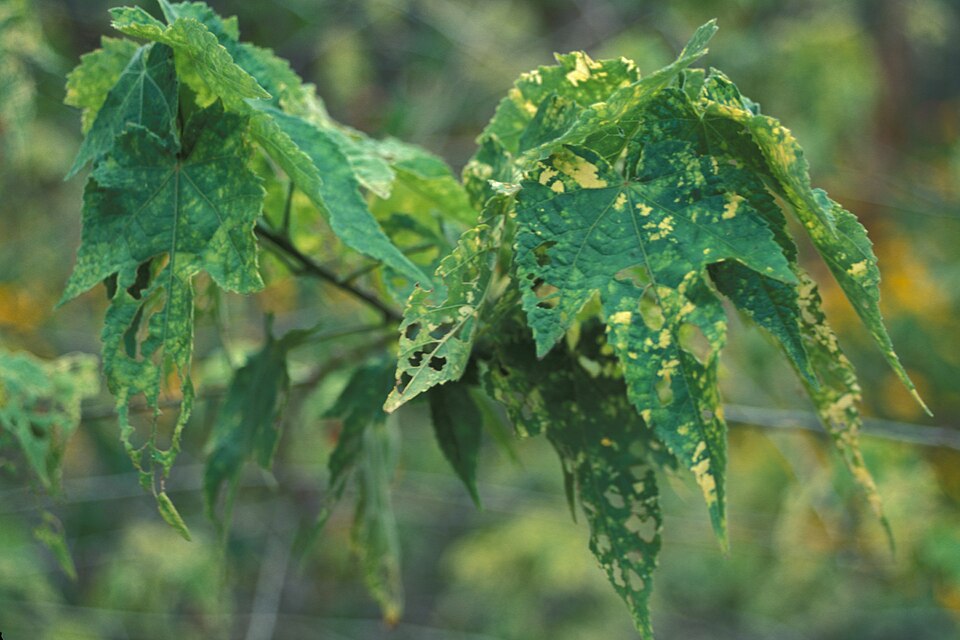
Some varieties have leaves mottled with yellow or cream. University of Florida extension explains that this variegation comes from a virus, abutilon mosaic virus, spread by whiteflies, and that it causes the pattern without harming the plant. Many gardeners grow these varieties specifically for their colorful leaves.
Seasonal Care Calendar
- Spring: Plant new shrubs once frost danger has passed, shape plants that got leggy over winter, and start regular feeding.
- Summer: Keep soil evenly moist, give afternoon shade, pinch tips to keep plants bushy, and watch for whiteflies.
- Fall: Enjoy continued bloom, reduce feeding late in the season, and plan where container plants will go on freezing nights.
- Winter: Protect plants from freezes; move pots to shelter and cover in-ground plants when temperatures drop below freezing.
More Plants for Your Garden
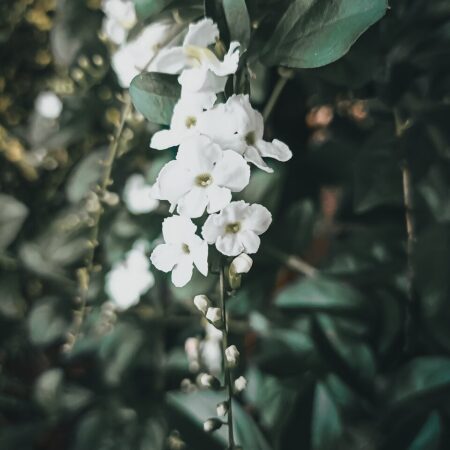
Pair flowering maple with sun-loving pollinator shrubs like our white duranta and variegated duranta in brighter parts of the yard, or browse all shrubs at Slidell Nursery.
Flowering Maple FAQ
Is flowering maple a real maple?
No. It is in the mallow family with hibiscus. The name comes from its maple-shaped leaves.
Can I grow flowering maple in a hanging basket?
Yes. It is one of the best uses for it, since the hanging flowers are easy to see from below. Water baskets often in summer.
Does flowering maple bloom in shade?
It blooms best with morning sun and afternoon shade. In deep shade it will have fewer flowers.
How much does a 1 gallon flowering maple cost?
Our flowering maple is $20 in a 1 gal pot. Colors vary with availability, so call or text 504-475-8084 to confirm what we have in stock.
Learn More
For more on this plant, see the LSU AgCenter video Abutilon or flowering maple has beautiful flowers and UF/IFAS Extension’s Flowering maples: not what you think.
Visit Slidell Nursery to see our flowering maple in person, or call or text 504-475-8084 to reserve one.