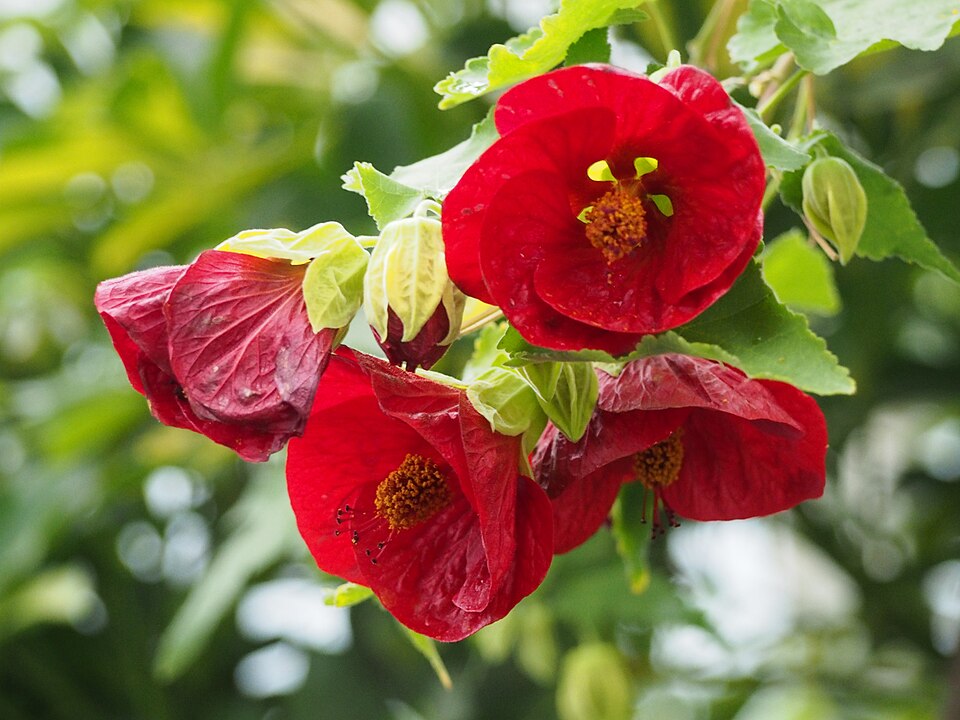
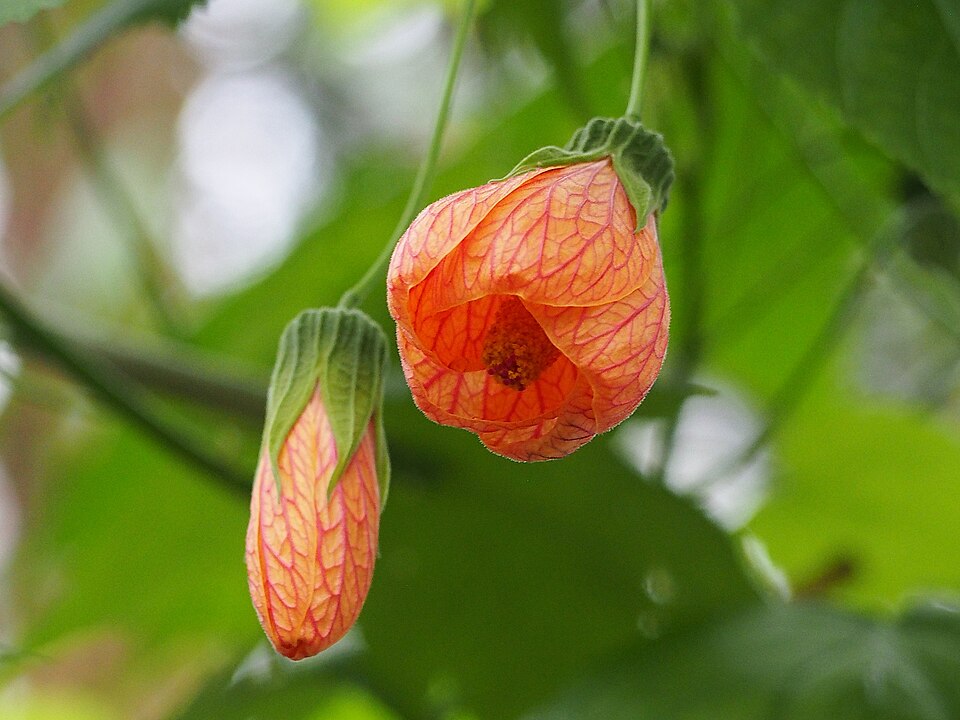
Abutilon is one of the most charming flowering shrubs you can grow in a South Louisiana garden. Its papery, bell-shaped flowers hang from the branches like little lanterns, which is why abutilon is also called Chinese lantern, while its lobed leaves earned it the name flowering maple. Our abutilon is $40 in a 3 gal pot, a well-rooted size that makes an instant impact in a bed, on a porch, or in a large patio container. Slidell Nursery serves Slidell, New Orleans, and the Northshore. Call or text 504-475-8084 to ask which colors we have right now.
What Is Abutilon?
Abutilon is a genus of shrubs in the mallow family, the same plant family as hibiscus and okra. University of Florida extension points out that, despite the common name flowering maple, abutilon is not related to true maples at all. The name simply comes from the leaves, which on many varieties have three to five pointed lobes like a maple leaf.
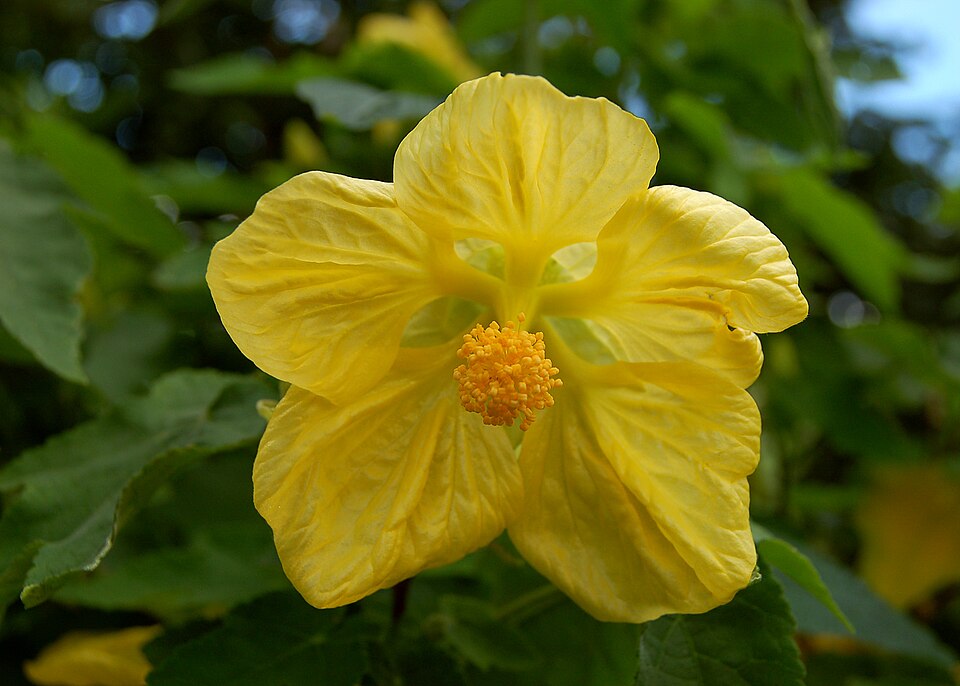
The LSU AgCenter describes abutilon as a hibiscus-family member that works well in Louisiana gardens, with flowers in many different colors and styles of growth. The garden types most people grow are hybrids, often sold as Abutilon x hybridum, with flowers in red, orange, yellow, pink, peach, and white. University of Florida extension notes the bell-shaped blooms can reach up to three inches across.
Why Choose a 3 Gallon Abutilon?
- Instant presence: A 3 gal abutilon is a fuller, more established plant that looks finished the day you plant it.
- Faster blooms: Larger plants have more branches, which means more flowers sooner.
- Stronger roots: A bigger root system helps the plant settle in and handle summer heat.
- Great for big containers: The 3 gal size is ideal for filling a large decorative pot by a front door or on a patio.
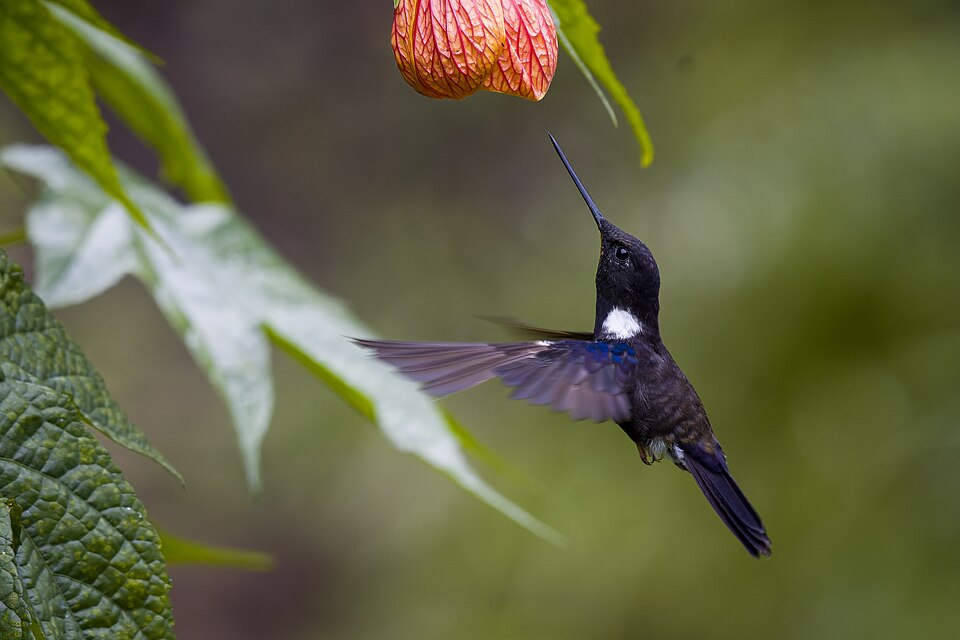
- Hummingbird magnet: The dangling flowers are a favorite of hummingbirds and also attract butterflies.
If you’d like a smaller, budget-friendly starter plant for baskets or small pots, see our flowering maple in 1 gal for $20.
Size and Growth Habit
University of Florida extension describes flowering maples as low-growing woody shrubs, usually no more than about four feet tall and two feet wide, with somewhat brittle stems. Abutilon can be grown as a multi-stemmed shrub or trained to a single stem for a small tree-like form. Growth is fairly quick in warm weather, so regular pinching keeps the plant compact and full.
Where to Use Abutilon
- Shady-edge beds: Abutilon fills the gap between full-sun and full-shade plants, thriving in beds that get morning sun.
- Porches and patios: A potted abutilon by a seating area puts the lantern flowers, and the hummingbirds, at eye level.
- Large containers: Pair abutilon with trailing plants such as sweet potato vine or creeping Jenny spilling over the pot’s edge.
- Cottage gardens: Its old-fashioned charm suits informal beds with ferns, impatiens, and other shade-tolerant bloomers.
- Tropical look: Combine abutilon with hibiscus, gingers, and bold foliage for a lush, island feel.
Planting Your 3 Gallon Abutilon
Dig a hole about twice as wide as the pot and the same depth. Gently loosen any circling roots, set the plant so the top of the root ball is level with the soil, backfill, and water thoroughly. Mulch around the base, keeping it a couple of inches from the stem. For containers, choose a pot at least a few inches wider than the nursery pot so the roots have room to grow and the soil doesn’t dry out too quickly.
How to Grow Abutilon
Light: Morning Sun, Afternoon Shade
University of Florida extension says to grow flowering maples in full sun or partial shade, and University of California IPM notes that they need partial shade in very hot climates. In Slidell and New Orleans, that usually means a spot with morning sun and shade during the hottest part of the afternoon. An east-facing bed, the edge of a tree canopy, or a covered porch with bright light are all good choices. Too much shade means fewer flowers; too much hot afternoon sun can scorch leaves and make the plant wilt.
Soil
Plant in well-drained soil enriched with organic matter. Mix compost or a quality garden soil into heavy clay, and avoid low spots where water stands after a storm. In containers, use a good potting mix and a pot with drainage holes. UC IPM notes that the plant does well in pots but needs good drainage.
Watering
University of Florida extension cautions that these plants do not like to dry out. Keep the soil evenly moist, not soggy. Check pots often in summer; small containers and hanging baskets can dry out in a single hot, windy day. In the ground, water deeply once or twice a week during dry spells, more often while the plant is getting established. A layer of mulch helps hold moisture in beds.
Fertilizing
Because it blooms over a long season, this plant benefits from regular, light feeding during the growing season. Use a slow-release flowering-plant fertilizer in spring, or a diluted liquid fertilizer every few weeks for container plants, following the label. Cut back on feeding in late fall and winter when growth slows.
Pruning and Pinching
University of Wisconsin extension notes these plants tend to become leggy and can turn into a scraggly shrub without regular pruning. Pinch the tips of young shoots to make the plant branch and stay bushy, and trim back long, lanky stems to just above a leaf. Spring is a good time for a heavier shaping. The stems are somewhat brittle, so prune with clean, sharp shears rather than snapping branches by hand. You can also train one into a small single-trunk “standard” for a tree-like look in a pot.
Winter Care in South Louisiana
This is a tender, tropical-type shrub, so freezing weather is its main enemy. Light frosts may only nip the tips, but a hard freeze can damage or kill plants left unprotected. For plants in the ground, water the day before a freeze, cover them overnight with frost cloth that reaches the ground, and mulch the base. Container plants are easy: move them into a garage, shed, or bright room on freezing nights, or bring them indoors for the winter and treat them as a houseplant near a sunny window. Wait until warm spring weather returns before trimming any cold-damaged growth.
Hummingbirds and Butterflies
The hanging, bell-shaped flowers are made for hummingbirds. University of Florida extension notes that butterflies are attracted to the flowers and hummingbirds adore the upside-down blossoms. Place a plant near a porch, patio, or window so you can watch the visitors up close.
Pests and Problems
UC IPM lists whiteflies, scale insects, and Fuller rose beetle among the pests of this plant. Check the undersides of leaves for clusters of tiny white insects or bumpy scale on stems, especially on plants kept on porches or indoors. Light infestations can usually be managed with insecticidal soap or horticultural oil used according to the label. Yellowing or dropping leaves are often a sign of the soil drying out or staying too wet, so check watering first.
About Spotted or Variegated Leaves
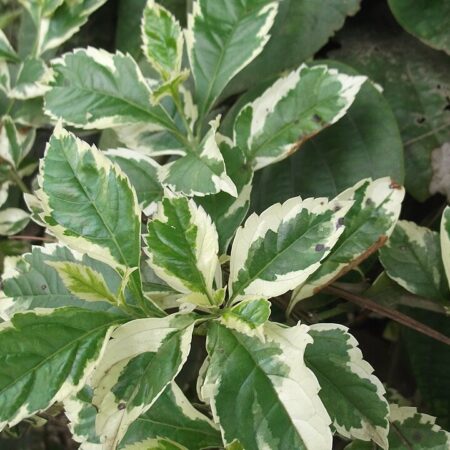
Some varieties have leaves mottled with yellow or cream. University of Florida extension explains that this variegation comes from a virus, abutilon mosaic virus, spread by whiteflies, and that it causes the pattern without harming the plant. Many gardeners grow these varieties specifically for their colorful leaves.
Seasonal Care Calendar
- Spring: Plant new shrubs once frost danger has passed, shape plants that got leggy over winter, and start regular feeding.
- Summer: Keep soil evenly moist, give afternoon shade, pinch tips to keep plants bushy, and watch for whiteflies.
- Fall: Enjoy continued bloom, reduce feeding late in the season, and plan where container plants will go on freezing nights.
- Winter: Protect plants from freezes; move pots to shelter and cover in-ground plants when temperatures drop below freezing.
More Plants for Hummingbirds and Butterflies
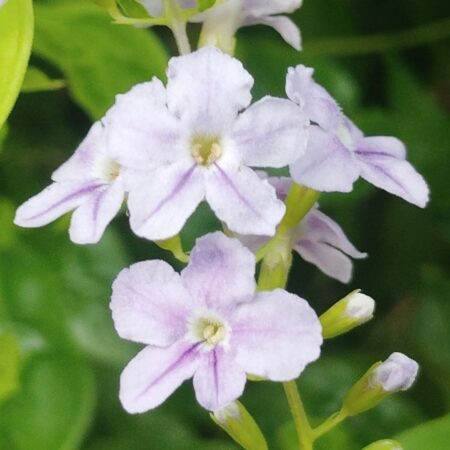
Build a full pollinator garden by pairing abutilon with sun-loving shrubs such as our light purple duranta and dark purple duranta, or browse all shrubs at Slidell Nursery.
Abutilon FAQ
Is abutilon the same as flowering maple and Chinese lantern?
Yes. Abutilon is the botanical name; flowering maple refers to the maple-shaped leaves, and Chinese lantern refers to the hanging, lantern-like flowers. (The name Chinese lantern is also used for an unrelated plant with orange papery seed pods, so the botanical name abutilon is the clearest way to ask for it.)
Does abutilon need full sun?
Not in our climate. Morning sun with afternoon shade gives the best results in south Louisiana.
Can abutilon survive winter in Slidell?
Protect it from hard freezes. Cover plants in the ground on freezing nights, and move potted abutilon into a garage or indoors.
How much does a 3 gallon abutilon cost?
Our abutilon is $40 in a 3 gal pot. Colors vary with availability, so call or text 504-475-8084 to confirm what we have in stock.
Learn More
For more on this plant, see the LSU AgCenter video Abutilon or flowering maple has beautiful flowers and UF/IFAS Extension’s Flowering maples: not what you think.
Visit Slidell Nursery to see our abutilon in person, or call or text 504-475-8084 to reserve one.