
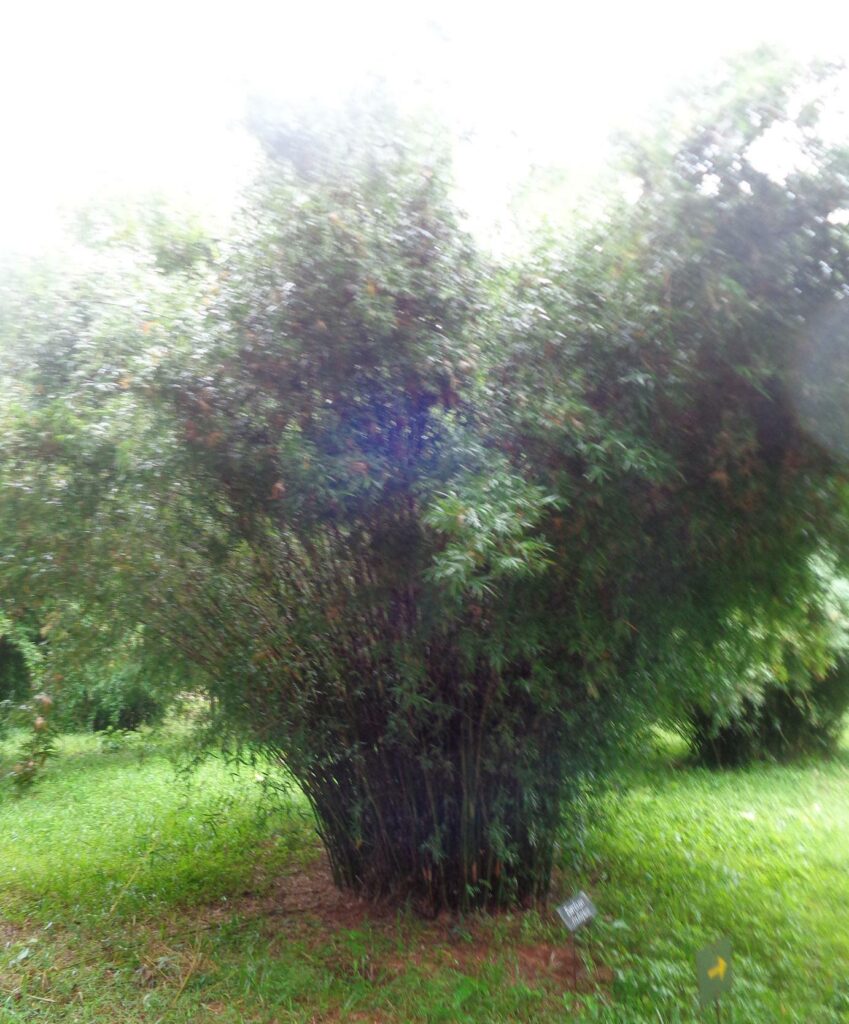
Fern leaf bamboo is one of the best plants for building a soft, living privacy screen in Slidell and the New Orleans area. This guide walks through planning, planting, and maintaining a fern leaf bamboo screen, from measuring your fence line to keeping the hedge full for years. When you are ready to buy, see our fern bamboo in 3 gal pots.
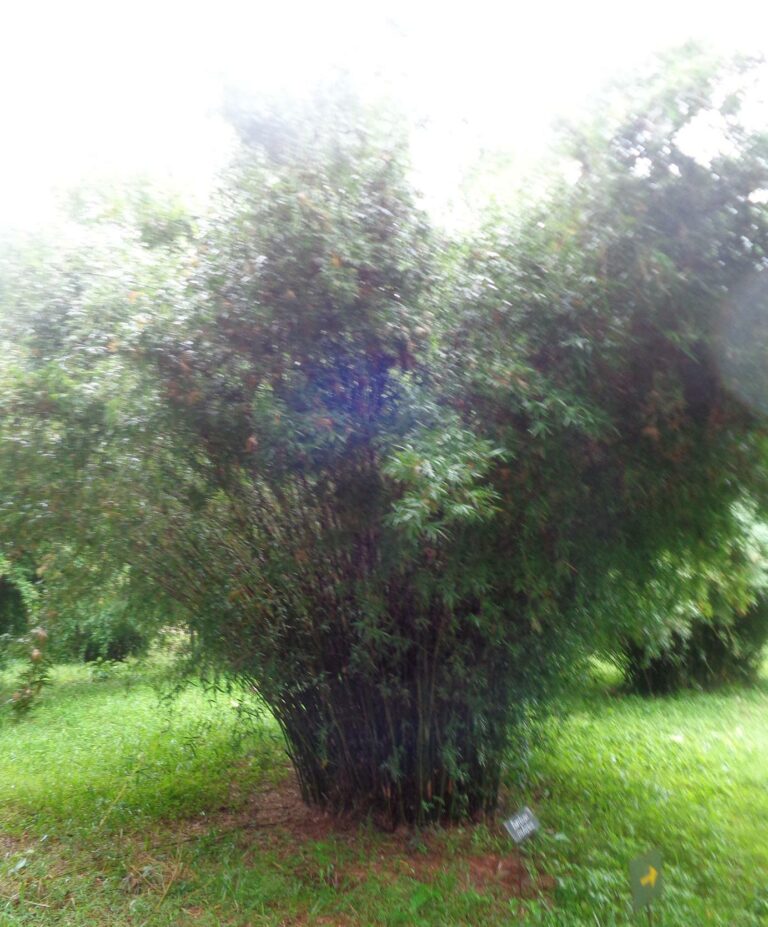
Why Fern Leaf Bamboo Makes a Great Privacy Screen
Homeowners usually want a screen that is fast, evergreen, and low maintenance, without the risk of a plant that takes over the yard. Fern leaf bamboo checks those boxes better than most options:
- It clumps instead of running. The clump widens slowly from its base rather than sending runners under fences and into lawns.
- It grows quickly in warm weather. Our long growing season means new canes can appear for much of the year.
- It is dense from top to bottom. Fine leaves cover the canes, so the screen blocks views at eye level, not just overhead.
- It stays green. In typical South Louisiana winters, the foliage holds on through the cool months.
- It is beautiful. The feathery texture moves in the breeze and looks far softer than a fence or wall.
Step 1: Measure and Plan Your Screen
Start with the space. Measure the length of the fence, property line, or patio edge you want to screen and note how tall the screen needs to be. A typical fern leaf bamboo screen reaches roughly 6 to 10 feet, which covers most fence-line privacy needs. If you need something much taller, consider adding a larger clumping bamboo at key points.
Also watch the light. Fern leaf bamboo grows densest in full sun to part sun. A spot that gets only a couple of hours of sun can still work, but expect a thinner, slower screen.
Leave room for the clump
Even though it clumps, each plant widens over time. Plant at least 3 feet from fences, foundations, sidewalks, and pool edges so you can reach the back of the clump for trimming, and so the base does not crowd hardscape.
Step 2: Choose Your Spacing
Spacing controls how fast the screen closes and how much it costs.
- 3 feet apart: the fastest, fullest screen.
- 4 feet apart: a good balance of cost and coverage for most yards.
- 5 feet apart: the most budget-friendly, filling in over several seasons.
Quick math: divide the screen length by your spacing and add one plant. A 60-foot fence at 4-foot spacing needs 16 plants.
Step 3: Prepare the Planting Bed
Fern leaf bamboo is not fussy, but a well-prepared bed gets a screen established faster. Remove grass and weeds in a strip at least 3 feet wide along the planting line. Loosen the soil and work in compost, which helps both our heavy clay soils and sandy spots. If water stands in the area after storms, build the bed up a few inches so roots are not sitting in water.
Step 4: Plant Fern Leaf Bamboo the Right Way
- Water each pot well an hour before planting.
- Dig each hole about twice as wide as the pot and the same depth.
- Set the plant so the top of the root ball is level with the surrounding soil.
- Backfill, firm gently, and water slowly until the soil is soaked.
- Spread 2 to 3 inches of mulch along the whole row, keeping it a little away from the canes.
Fall and spring are ideal planting seasons here, but container-grown fern leaf bamboo can be planted most of the year if you keep up with watering in summer.
Step 5: Water and Feed for Fast Growth
The first year is all about roots. Water deeply two or three times a week in hot weather and after planting, then taper off as the plants establish. A drip line or soaker hose along the row makes this easy. Because fern leaf bamboo is a grass, it responds well to nitrogen. Feed in spring and again in early summer with a balanced or lawn-type fertilizer, following the label, and keep the mulch layer topped up.
Step 6: Shape and Maintain the Screen
Topping for height control
If you want the screen to stay at a certain height, trim the tops of the canes. They will not grow taller after cutting, but side branches will thicken below the cut and make the hedge denser.
Thinning old canes
Once a year, in late winter, cut a few of the oldest, weakest, or dead canes off at ground level. This lets light into the clump and encourages strong new shoots.
Keeping it in bounds
If a clump starts creeping toward a walk or bed, remove the outermost canes and their short rhizomes with a sharp spade. Clumping bamboo makes this a manageable once-in-a-while task.
Step 7: Protect It Through Storms and Freezes
Fern leaf bamboo bends rather than breaks in wind, which is an advantage during summer storms. After a storm, cut out any split canes at the base. Before a hard freeze, water the bed so the soil holds heat, and move any potted plants to shelter. Leaves may brown or drop after an unusually cold night; wait until spring to trim, and new growth will fill in as temperatures rise.
Fern Leaf Bamboo vs. Other Screening Plants
Bamboo is not the only option, and some yards benefit from mixing screening plants.
- Hollies: dense, evergreen, and long lived, but slower to reach full height.
- Boxwood: excellent for low, formal hedges rather than tall screens.
- Taller clumping bamboo: varieties such as Alphonse Karr reach greater height and have striking striped canes.
- Fern leaf bamboo: fast, fine-textured, and a good middle height for fence lines.
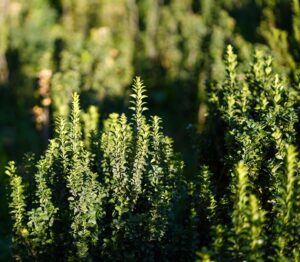
Browse our bamboo and shrubs collections, including Alphonse Karr bamboo, to plan a mixed screen.
A First-Year Timeline for Your Screen
Knowing what to expect helps you judge whether a new fern leaf bamboo screen is on track.
- Weeks 1 to 4: plants settle in. Focus on deep, regular watering. Little visible growth is normal while roots spread.
- Months 2 to 4: in warm weather, the first new shoots usually appear at the base. They often come up thicker and taller than the original canes.
- Months 4 to 8: clumps widen and fill gaps between plants. Feed on schedule and keep weeds out of the row.
- End of year one: expect a fuller, taller row with some gaps still closing. Thin any weak canes in late winter to prepare for a strong second season.
Budgeting for a Bamboo Screen
A screen is an investment, so it helps to plan the full cost before you start. Count the number of plants from your spacing math, then add mulch, compost, and an optional soaker hose for the row. Planting closer costs more up front but gives privacy sooner; planting farther apart saves money but takes longer to fill. Many homeowners split the difference by planting at 4-foot spacing and adding plants later to any spot that fills more slowly, such as a corner that gets less sun.
Compared with a tall wood fence, a planted fern leaf bamboo screen can be a more affordable way to add privacy, and it softens the yard instead of walling it in. It also absorbs some sound and provides shelter for birds.
Common Mistakes to Avoid
- Planting too close to the fence. You will need space behind the clumps to trim and clean.
- Skipping water the first summer. Most slow screens are simply thirsty.
- Too much shade. Under heavy trees, choose a shade-tolerant shrub instead.
- Never thinning. Clumps packed with old canes look tired; a yearly thinning keeps them fresh.
- Confusing it with running bamboo. Always confirm you are buying a clumping type for a home screen.
Where to Buy Fern Leaf Bamboo in Slidell
Slidell Nursery carries fern bamboo in 3 gal pots for $40. We offer local delivery for $25 to Slidell and New Orleans ZIP codes and free pickup at 1605 Lawes St, Slidell. Stock changes with the season, so we confirm availability by call or text after you order. Send us your fence length and we will help you estimate how many plants to buy. Call or text 504-475-8084.
To learn more about the species, see Bambusa multiplex on Wikipedia, and check our list of the best plants for Slidell gardens.
Fern Leaf Bamboo FAQ
How long does it take to get a full screen?
It depends on spacing, sun, and care. With good spacing, regular water, and feeding, many screens fill in noticeably within a couple of growing seasons.
Will the roots damage my fence or foundation?
Clumping bamboo roots are relatively shallow and stay near the clump. Planting a few feet away from structures avoids problems and leaves room for maintenance.
Does fern leaf bamboo attract pests?
It has few serious pest problems in home landscapes. Occasionally small sap-feeding insects appear on leaves; a strong spray of water usually handles them.
Can I grow a screen in containers?
Yes. A row of large planters works well on patios and rooftops where you cannot plant in the ground, though containers need more frequent watering.