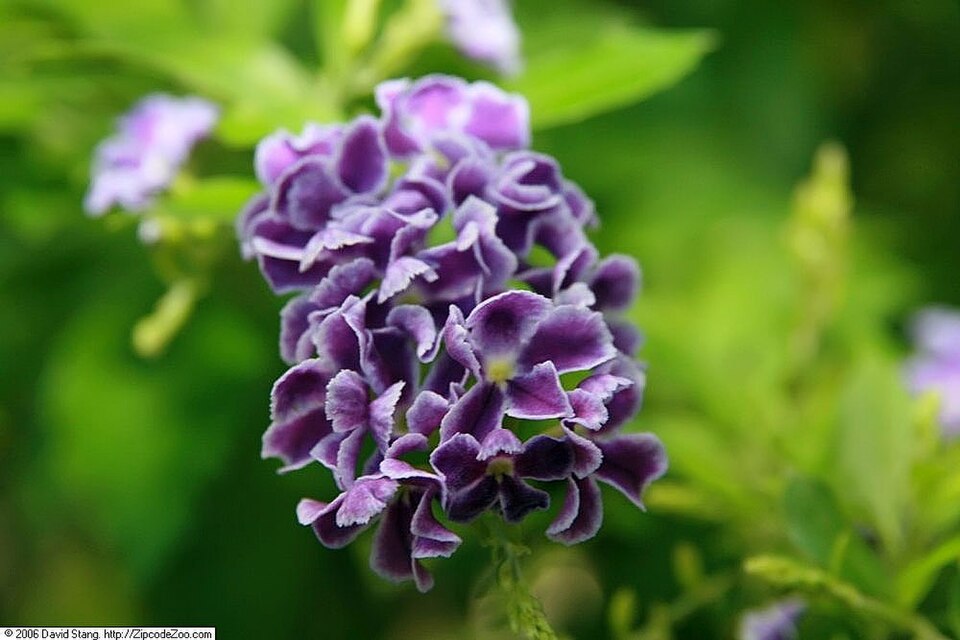
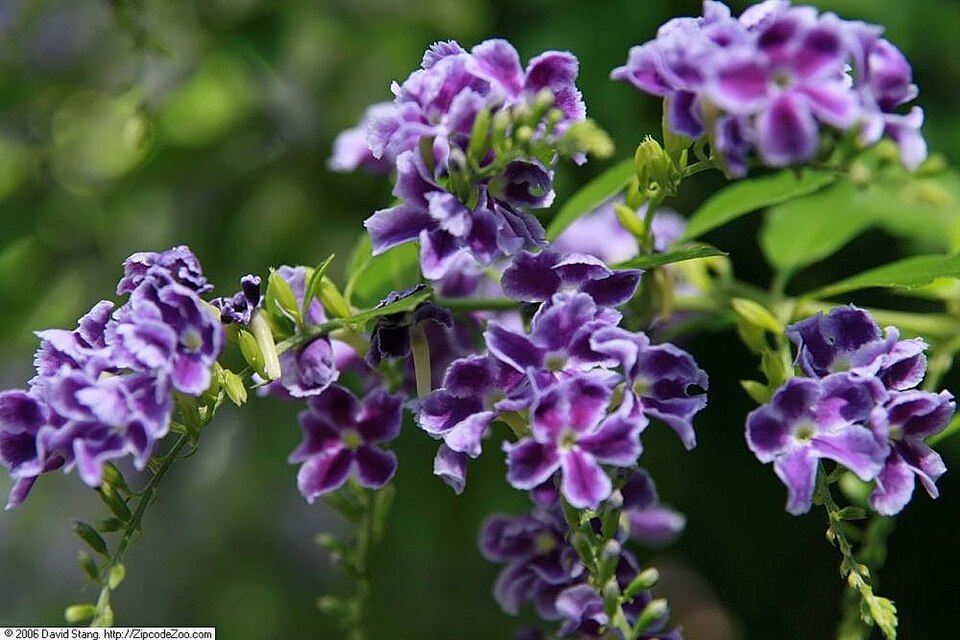
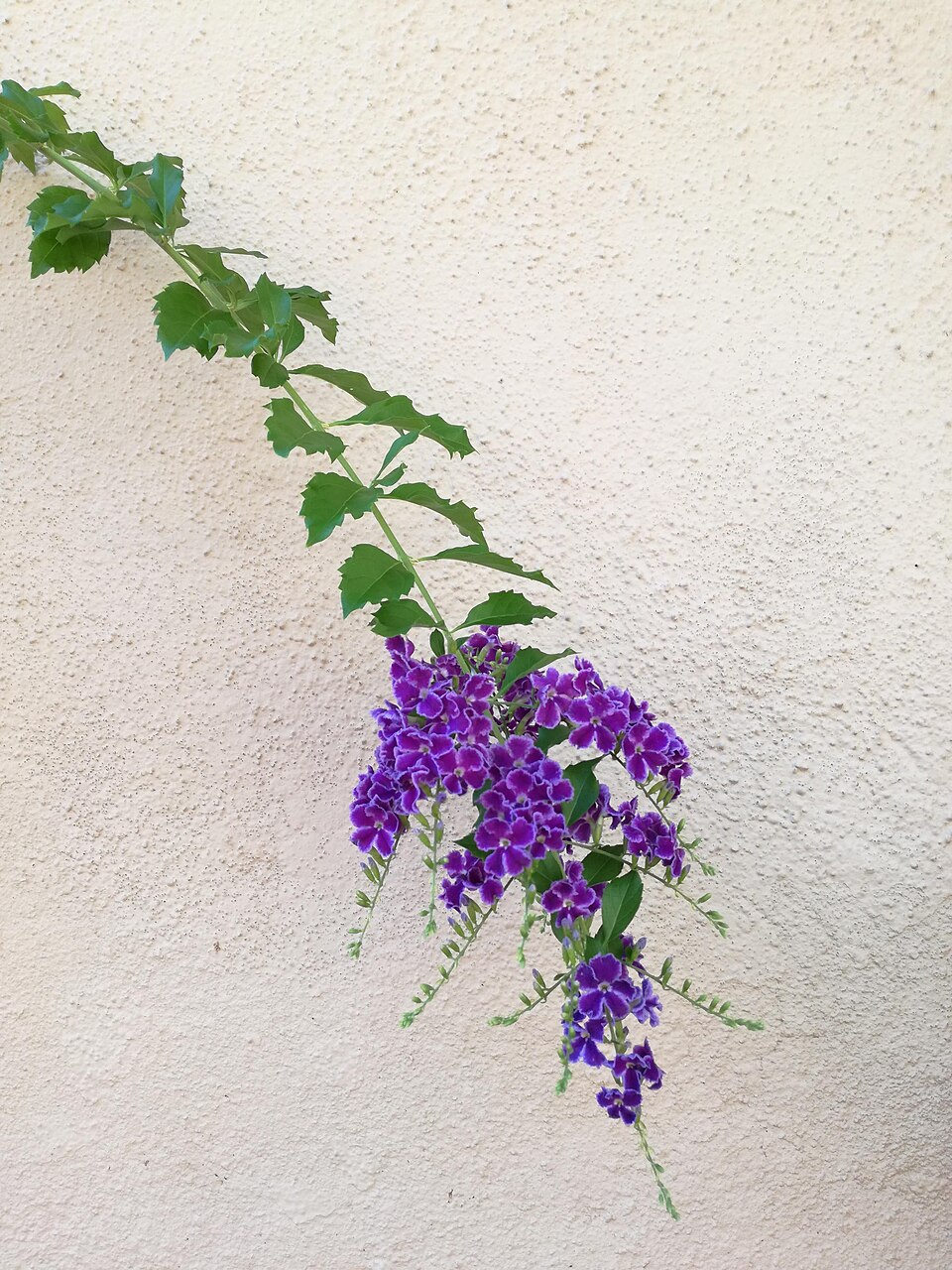
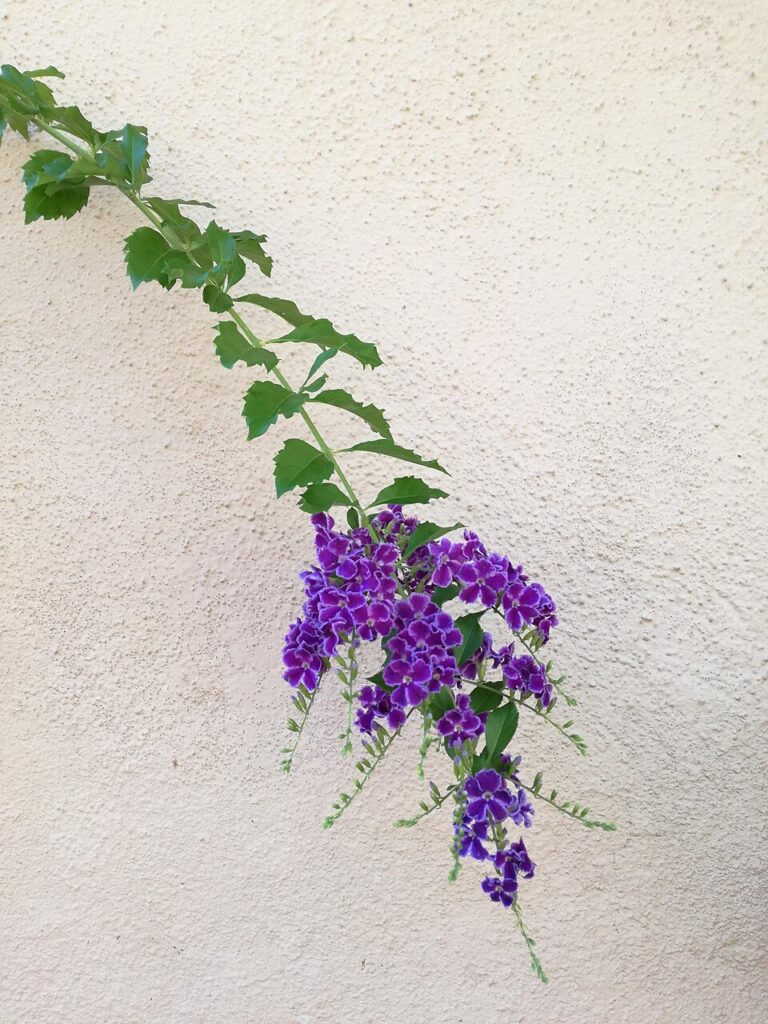
Dark purple duranta is the showstopper of the duranta family. From early summer into fall, its arching branches are loaded with rich, deep violet-purple flower clusters that stand out from across the yard. On many plants each small flower is trimmed with a thin white edge, which makes the color look even more intense. A dark purple duranta is easy to grow, thrives in our heat, and pulls in butterflies all season. Slidell Nursery offers dark purple duranta for gardens in Slidell, New Orleans, and across the Northshore. Ours is $40 in a 3 gal pot. Call or text 504-475-8084 to check availability.
What Is Dark Purple Duranta?
Dark purple duranta is a deep-colored flowering form of Duranta erecta, the shrub also known as golden dewdrop, pigeon berry, or sky flower. Several named varieties fall into this color group; the LSU AgCenter, for example, describes ‘Sapphire Showers’ as a blue-flowering variety, and its blooms are a deep violet-blue edged in white. Plants sold simply as dark purple duranta may vary a little in shade, from royal purple to violet-blue.
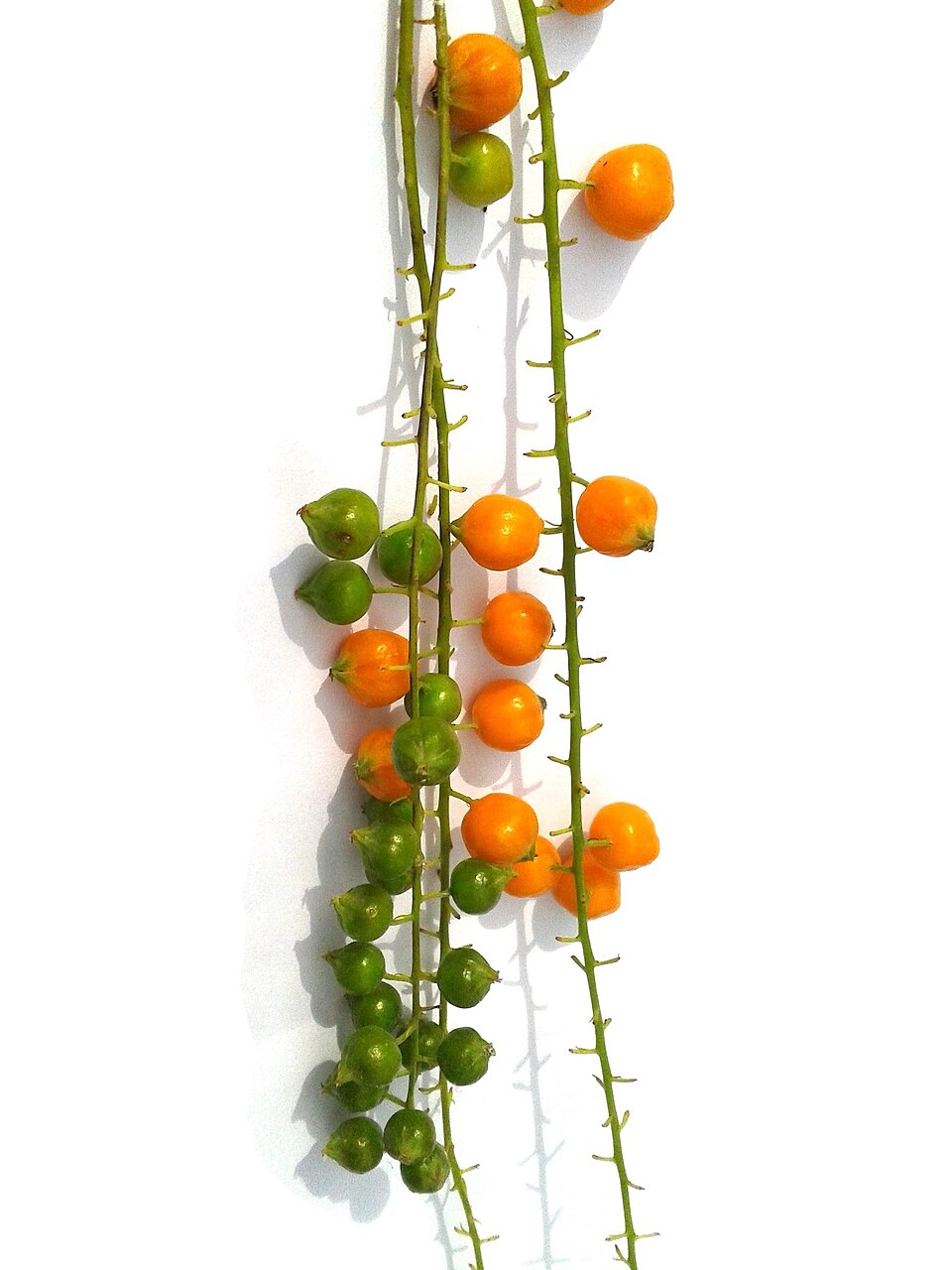
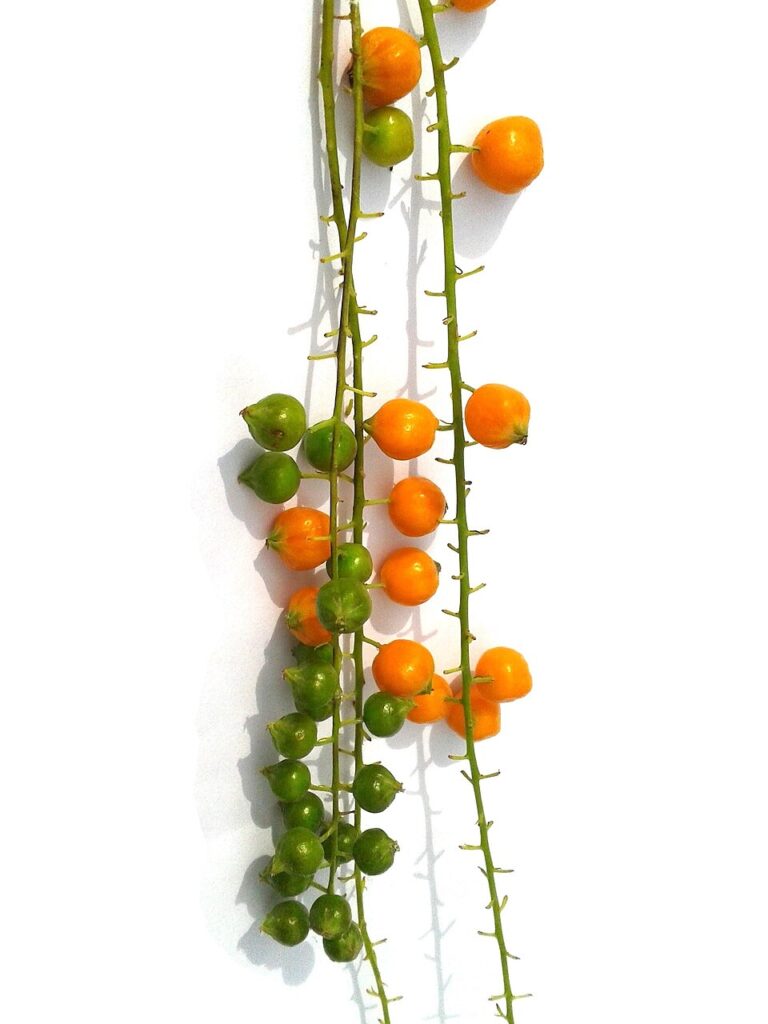
Whatever the exact shade, these durantas share the same easy, heat-loving habits as the lighter types: glossy green leaves, a fast arching habit, months of bloom, and golden berries late in the season.
Why Choose Dark Purple Duranta?
- Bold, saturated color: Deep purple reads from a distance, so it makes a strong statement along a street-side bed or driveway.
- Long bloom season: Flowers from early summer into early fall, through the hottest part of the year.
- Pollinator favorite: Attracts butterflies, bumble bees, and hummingbirds.
- Tough and low maintenance: Very drought tolerant once established and needs only light trimming.
- Perennial in south Louisiana: Recommended by the LSU AgCenter as a perennial in our region.
Size and Growth
The LSU AgCenter notes that durantas can reach about 5 feet tall as annuals and grow larger in warmer areas south of Interstate 10. In Slidell and New Orleans, a dark purple duranta can become a full, cascading shrub several feet tall and wide if left to grow. Light pruning through the warm season keeps it dense and in proportion with nearby plants.
Design Ideas for Dark Purple Duranta
- Purple and gold: Dark purple duranta looks spectacular next to yellow lantana, golden-leaved shrubs, or yellow daylilies.
- Purple and orange: Pair it with orange flowers such as lantana or firebush for a high-energy, butterfly-friendly combination.
- Layered purples: Plant dark and light purple durantas together with white duranta for depth and contrast.
- Focal point shrub: Let a single plant arch over a low wall or the edge of a raised bed so the flower sprays can cascade.
- Containers: A large pot of deep purple flowers by the front door makes a bold welcome. Use a container with drainage holes and water regularly.
How to Grow Dark Purple Duranta
Sun and Soil
Plant in full sun for the most flowers. The LSU AgCenter describes duranta as a full-sun plant that is very drought tolerant and low maintenance once established. In partial shade it will still grow, but it blooms less and can get leggy as it stretches toward the light. University of Florida extension notes that it tolerates a wide range of soils, so it does well in most Slidell and New Orleans yards as long as water does not stand around the roots after heavy rain. If your beds stay soggy, plant on a slight mound or in a raised bed.
Planting
Spring through early summer is the ideal planting window because the shrub gets a full warm season to root in before winter. Dig a hole about twice as wide as the container and the same depth. Set the plant so the top of the root ball is level with the surrounding soil, backfill with native soil, and water deeply. Spread two to three inches of mulch around the base, keeping it a few inches off the stems.
Watering
Water new plants two or three times a week for the first several weeks, then taper off as they settle in. After the first summer, normal South Louisiana rainfall covers most of what the plant needs; water deeply during long dry spells or if the leaves droop in the afternoon heat and do not recover by evening.
Fertilizing
Feed lightly in spring with a slow-release, balanced shrub fertilizer, following the label. A second light feeding in early summer can support heavy flowering. Too much nitrogen pushes leafy growth at the expense of flowers, so more is not better.
Pruning
The LSU AgCenter recommends light pruning during the warm season to control size and growth. Tip back long, arching shoots to keep the plant full and in bounds, or shear it lightly if you are growing it as a hedge. Avoid heavy pruning in fall, since tender new growth is more easily damaged by cold. In late winter or early spring, remove any branches killed by freezes once you can see where new growth is starting.
Seasonal Care Calendar
- Late winter: Wait for signs of new growth, then trim out any branches damaged by cold. Pull back old mulch and check for scale on the stems.
- Spring: Plant new shrubs, apply a light feeding of slow-release fertilizer, and refresh mulch.
- Early summer: Flowering begins. Water new plantings during dry weeks and tip back any shoots that grow out of shape.
- Mid to late summer: Enjoy peak bloom and butterflies. Trim spent flower clusters if you want fewer berries, and keep up with light shaping.
- Fall: Flowering winds down and berries color up. Stop heavy pruning and fertilizing so the plant can harden off before cold weather.
- Before a hard freeze: Water the bed well a day ahead. Young plants can be covered overnight with frost cloth that reaches the ground; remove it the next morning.
Winter Hardiness in South Louisiana
The LSU AgCenter recommends duranta as a perennial in south Louisiana and notes that in central and north Louisiana it is often grown as an annual. University of Florida lists it for USDA zones 9a to 11. In Slidell and New Orleans, an established plant usually comes through winter, though an unusually hard freeze can burn back the top growth. If that happens, be patient; wait for warm weather and new growth before cutting back damaged wood.
Butterflies, Bees and Hummingbirds
This is one of the best shrubs for a pollinator garden. University of Florida extension notes that the flowers attract butterflies, bumble bees, and hummingbirds. Plant it near a patio, porch, or window where you can watch the visitors all summer long.
Berries: A Safety Note
After flowering, the plant forms clusters of small golden-orange berries, which give it the common names golden dewdrop and pigeon berry. They are attractive, but University of Florida extension cautions that the fruits are poisonous to humans. Plant away from areas where small children play, and keep pets from chewing on the berries. Trimming off spent flower clusters before berries form is an easy way to reduce fruit if this is a concern.
Responsible Gardening
Birds eat the berries and can spread seeds. In Florida, UF/IFAS predicts the species to be invasive in natural areas. Removing spent flower clusters and pulling volunteer seedlings keeps it where you want it.
Pests and Problems
Duranta is generally tough. UF/IFAS lists scale and chewing insects as the main pests. Check the undersides of leaves and stems occasionally; light infestations can be handled with horticultural oil or insecticidal soap, following the label. Good sun, good drainage, and not overwatering keep the plant vigorous and better able to shrug off problems.
Other Duranta Colors at Slidell Nursery
Mix and match colors for a fuller look. Compare our light purple duranta, white duranta, and variegated duranta, or browse all shrubs for more sun-loving choices.
Dark Purple Duranta FAQ
Why do some dark purple duranta flowers have white edges?
Some varieties in this color group have petals edged in white. It is a natural trait of those varieties and makes the purple look even richer.
When does dark purple duranta bloom?
From early summer through early fall in south Louisiana, followed by golden berries.
Does dark purple duranta need full sun?
Yes. Full sun gives the most flowers and the deepest color; in shade it blooms less and gets leggy.
How much does dark purple duranta cost?
Our dark purple duranta is $40 in a 3 gal pot. Availability changes through the season, so call or text 504-475-8084 to confirm we have it in stock.
Learn More
For more on growing duranta, see the LSU AgCenter duranta plant of the week and University of Florida Gardening Solutions: golden dewdrop.
Stop by Slidell Nursery to see our shrubs in person, or call or text 504-475-8084 about adding dark purple duranta to your garden.