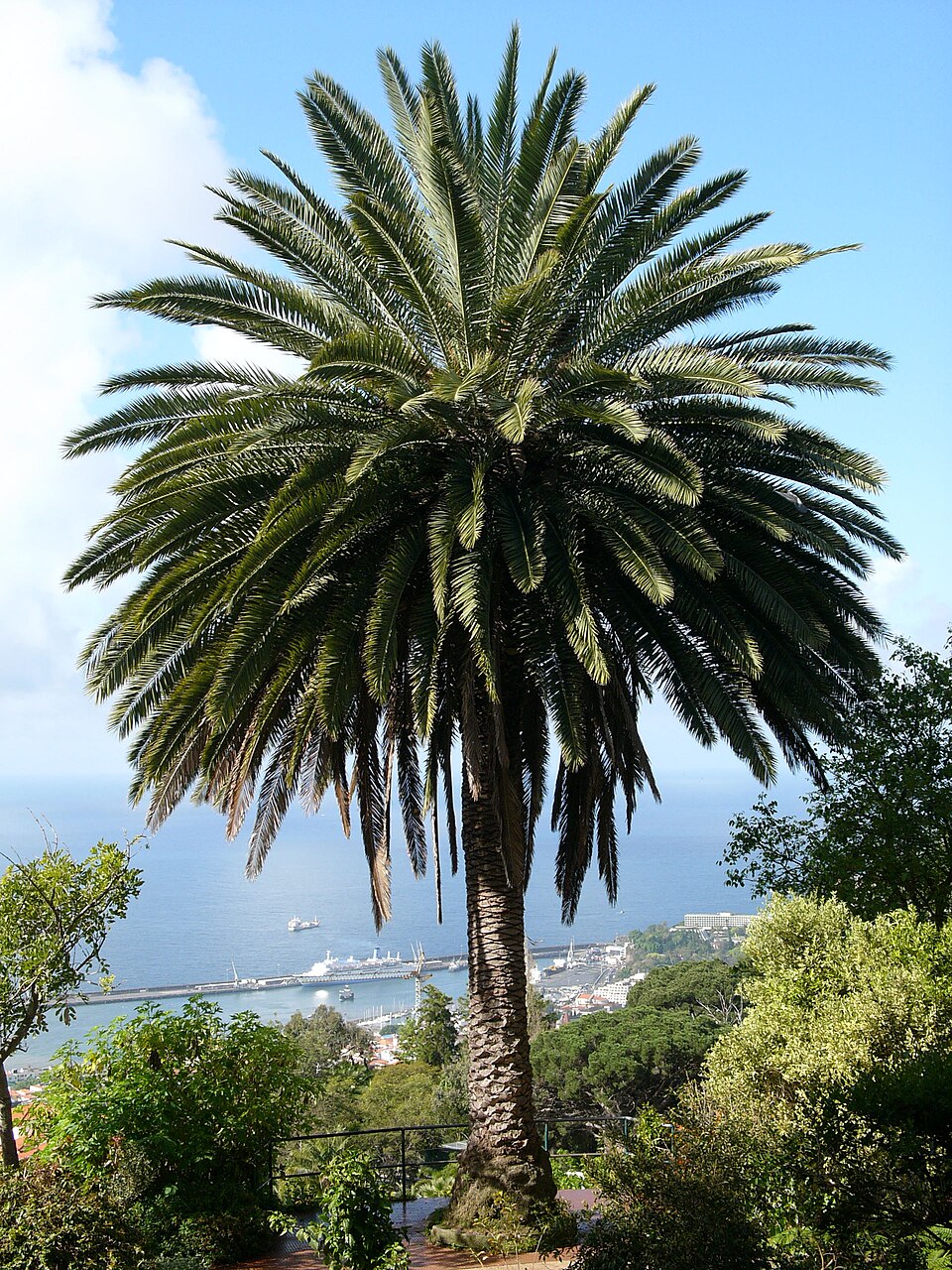
A Canary Island date palm is one of the most impressive palms you can plant in a South Louisiana landscape. With a thick, textured trunk and a huge, rounded crown of arching, feathery fronds, a Canary Island date palm creates an instant focal point for large lawns, long driveways, entrances, and commercial properties. Slidell Nursery offers Canary Island date palms for homeowners and businesses in Slidell, New Orleans, and the Northshore. Call or text 504-475-8084 to ask about the sizes we have available right now.
What Is a Canary Island Date Palm?
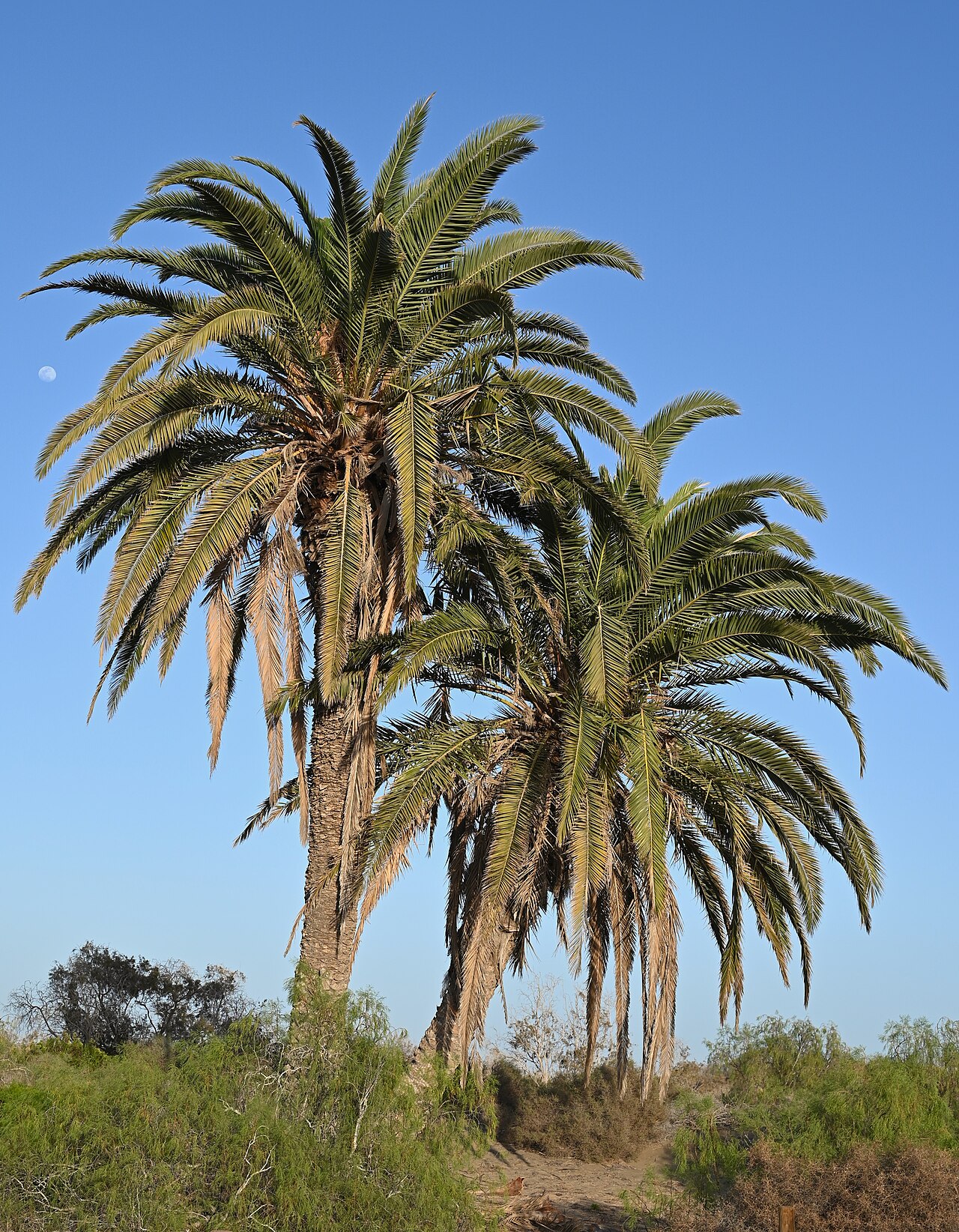
The Canary Island date palm, botanically Phoenix canariensis, is a single-trunk feather palm native to the Canary Islands off the northwest coast of Africa. It is a close relative of the true date palm that produces commercial dates, but it is grown for its looks rather than its fruit. Its long, stiff fronds carry up to 200 V-shaped leaflets each, and the lowest leaflets on every frond are modified into long, sharp spines.
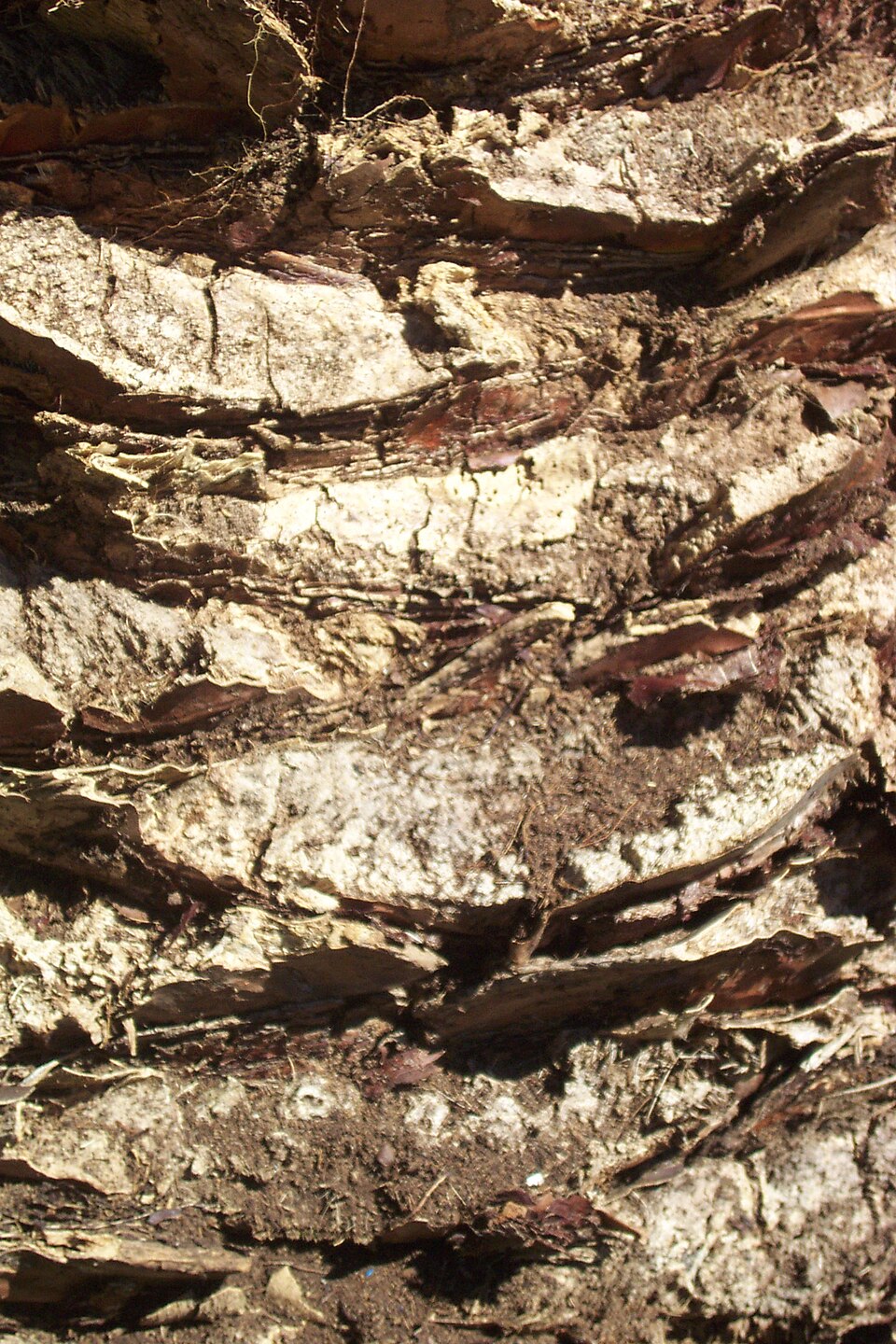
Because of its full, symmetrical crown, people sometimes call it the “pineapple palm,” especially when the old leaf bases on the trunk are trimmed into a neat diamond pattern near the top.
Size and Growth Rate
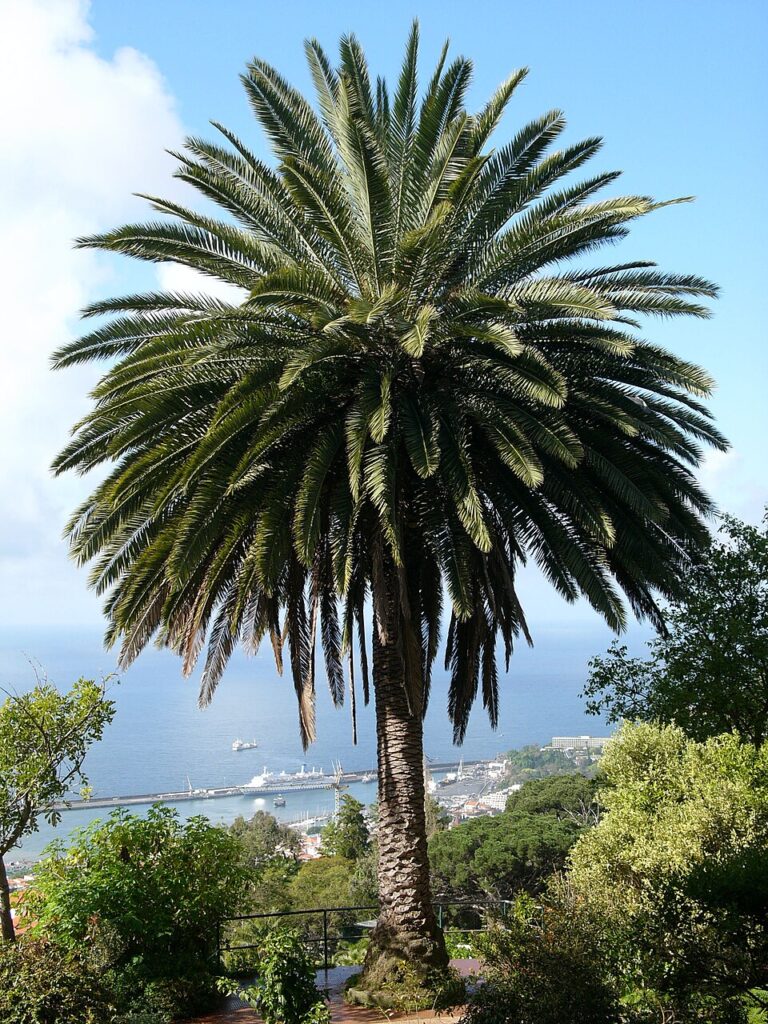
A Canary Island date palm is a big palm, but it gets there slowly. According to the University of Florida, it can reach about 40 to 50 feet tall, but it takes many years to reach that height. The crown is the real showpiece: individual fronds can be 8 to 15 feet long, so a mature Canary Island date palm can spread 30 feet or more across.
The trunk is much thicker than a queen palm or Mexican fan palm trunk, which gives this palm a solid, substantial look even when it is young. Plan for that width and spread when you choose a spot. Give the palm room away from the house, walkways, pools, and power lines so the fronds can arch out without being constantly cut back.
Why Choose a Canary Island Date Palm?
- Stately, formal look: Few palms make a stronger first impression at an entrance, along a boulevard, or in the center of a large lawn.
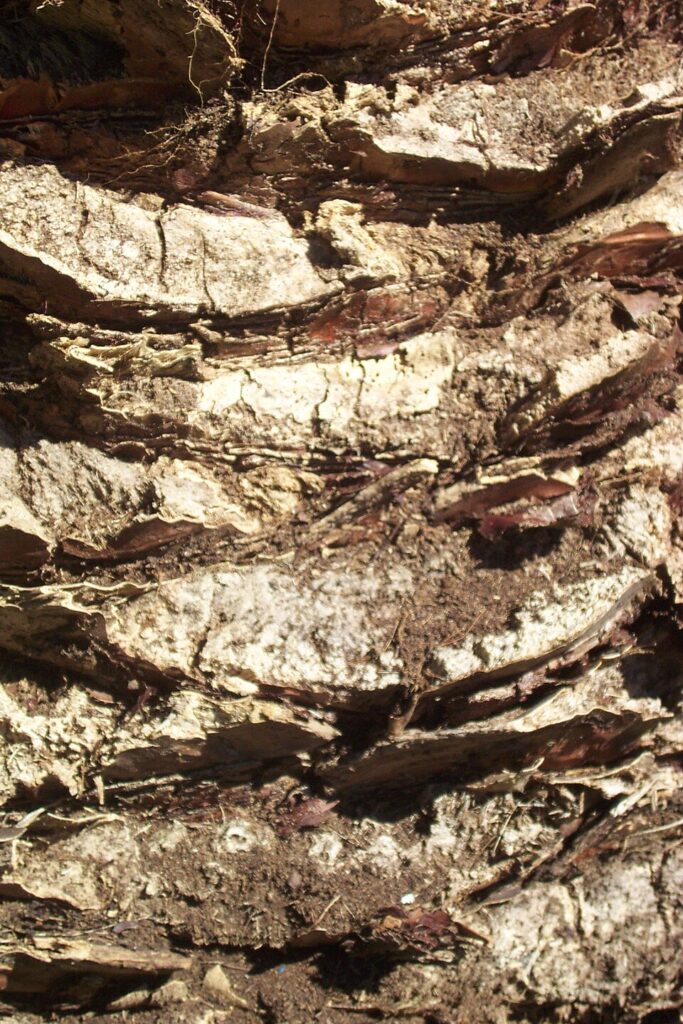
- Thick, textured trunk: The diamond pattern left by old leaf bases adds year-round interest.
- Slow, steady growth: It stays in scale with your landscape for years instead of shooting up quickly.
- Adaptable to soil: It grows in clay, loam, or sand as long as the site drains well.
- Full sun lover: It thrives in the hot, bright summers we get in Slidell and New Orleans.
Cold Hardiness in Slidell and New Orleans
University of Florida extension materials list the Canary Island date palm for USDA hardiness zones 9 through 11. Slidell and the New Orleans area sit at roughly the cold edge of that range, so a Canary Island date palm is a reasonable choice here, but hard freezes still matter. During an unusually cold night, older fronds can brown, and a long, deep freeze can cause more serious damage. An established, well-fed, healthy palm handles cold better than a stressed one.
To give your palm the best chance in winter, plant in spring or early summer so roots settle in before cold weather, water before a predicted freeze, and avoid heavy pruning in fall. After a freeze, wait until warm weather returns to judge damage; do not cut off brown fronds right away, because they help protect the bud.
Planting a Canary Island Date Palm
Choose a spot in full sun with good drainage. Palms planted too deep or in soggy ground struggle, so set the root ball at the same depth it grew in the container or field, never deeper. Dig a hole wider than the root ball, backfill with the native soil, and water deeply to settle the soil and remove air pockets.
Larger palms are heavy and need careful handling. University of Florida guidance notes that the crown should be fully supported during transport to prevent damage to the bud. For bigger specimens, ask us about delivery and planting options in Slidell and New Orleans.
Watering and Fertilizing
Water a newly planted Canary Island date palm regularly during its first growing season so the soil stays moist but never waterlogged. Once established, it handles our normal rainfall well and needs extra water mostly during long dry spells.
Nutrition is important. Canary Island date palms are prone to potassium and magnesium deficiencies, which show up as yellowing, spotting, or dead tips on older fronds. Use a slow-release palm fertilizer that contains potassium and magnesium along with micronutrients, and follow the label. Avoid lawn fertilizers high in nitrogen near the palm, which can make nutrient imbalances worse.
Flowers and Fruit
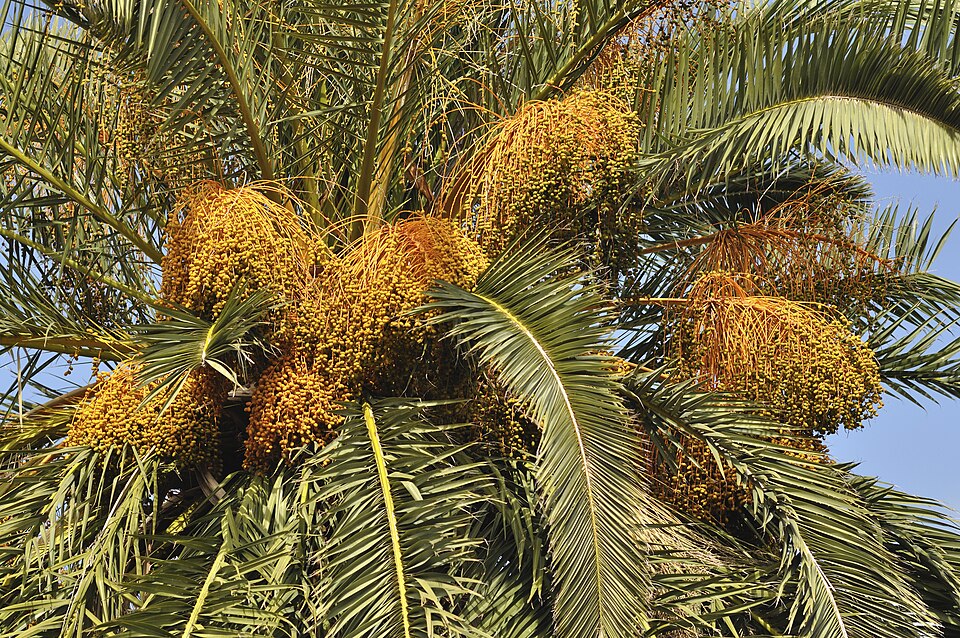
Canary Island date palms are either male or female. Mature female palms produce large hanging clusters of small orange fruit, like the ones in the photo above. The fruit looks like tiny dates, but it is mostly seed with a thin layer of flesh, so it is grown for ornament, not for eating. Fallen fruit can be messy on patios and driveways, which is another reason to plant this palm in an open lawn area.
Pruning: Less Is More
Only remove fronds that are completely brown and dead. Green and partly yellow fronds still feed the palm and store nutrients, especially potassium. Over-pruning into a tight “feather duster” or “hurricane cut” weakens a palm over time.
Wear thick gloves, long sleeves, and eye protection when you prune, because the spines at the base of each frond are long and sharp. Most important, sanitize your tools. Fusarium wilt is a serious, lethal fungal disease that primarily attacks the Canary Island date palm, and it is commonly spread on contaminated pruning saws. Clean tools between palms, or hire a tree service that follows good sanitation practices.
Pests and Problems to Watch For
- Palmetto weevils: University of Florida reports that Canary Island date palms are highly susceptible, particularly when stressed or recently transplanted.
- Fusarium wilt: Look for fronds dying on one side of the crown, often with a brown stripe along the stem. There is no cure, so prevention through tool sanitation matters.
- Nutrient deficiencies: Potassium and magnesium shortages are common; a quality palm fertilizer helps prevent them.
Buying a healthy palm from a local nursery and keeping it well fed and properly watered are the best ways to avoid most of these problems.
Landscape Ideas
A single Canary Island date palm makes a bold centerpiece in a large front lawn. A matched pair on each side of a driveway or gate creates a grand, formal entrance. Lines of them along a long drive or commercial frontage give a resort feel. Underplant with low, sun-loving plants such as liriope, lantana, or ornamental grasses, keeping beds a few feet from the trunk so mowers and string trimmers don’t damage it.
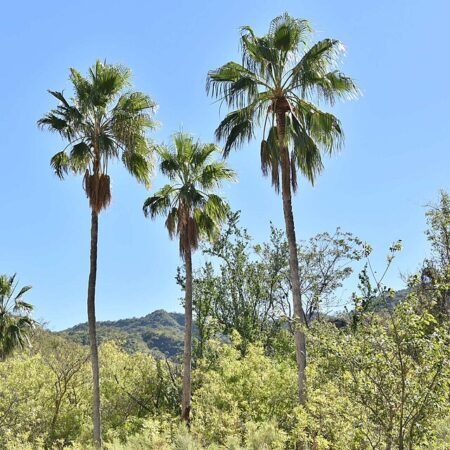
Want something faster-growing and more slender? Compare our Mexican fan palm and our queen palm, or browse all palms and trees at Slidell Nursery.
How It Compares to Other Palms
Choosing a palm is mostly about scale, speed, and style. Here is a quick comparison of the three palms customers ask us about most:
- Canary Island date palm: Slow growing, very thick trunk, wide crown of stiff feather fronds with spines at the base. Best for large, open properties and formal entrances.
- Mexican fan palm: Fast growing, very tall and slender, with rounded fan-shaped leaves. Best where you want height quickly and have room overhead.
- Queen palm: Moderate size with soft, drooping feather fronds and a smooth gray trunk. Popular around pools and patios, but more sensitive to hard freezes.
If you are unsure which one fits your yard, send us a photo of the spot along with rough measurements. We can help you think through mature size, distance from the house, and how much sun the area gets before you buy.
Canary Island Date Palm FAQ
How fast does a Canary Island date palm grow?
Slowly. It can eventually reach about 40 to 50 feet, but it takes many years to get there, which makes it easier to keep in scale than fast palms.
Will a Canary Island date palm survive winter in Slidell?
Usually, yes. It is rated for USDA zones 9 to 11, and our area sits near the cold edge of that range. Severe freezes can damage fronds, and healthy, established palms recover best.
Are the dates edible?
The fruit is not considered a food crop. It is mostly seed and is grown for ornamental value.
What sizes and prices do you have?
Availability changes through the year. Call or text 504-475-8084 for the Canary Island date palm sizes we have in stock and current pricing.
Learn More
For detailed growing information, see the University of Florida IFAS fact sheet Phoenix canariensis: Canary Island Date Palm.
Visit Slidell Nursery to see our palms in person, or call or text 504-475-8084 to ask about a Canary Island date palm for your property.