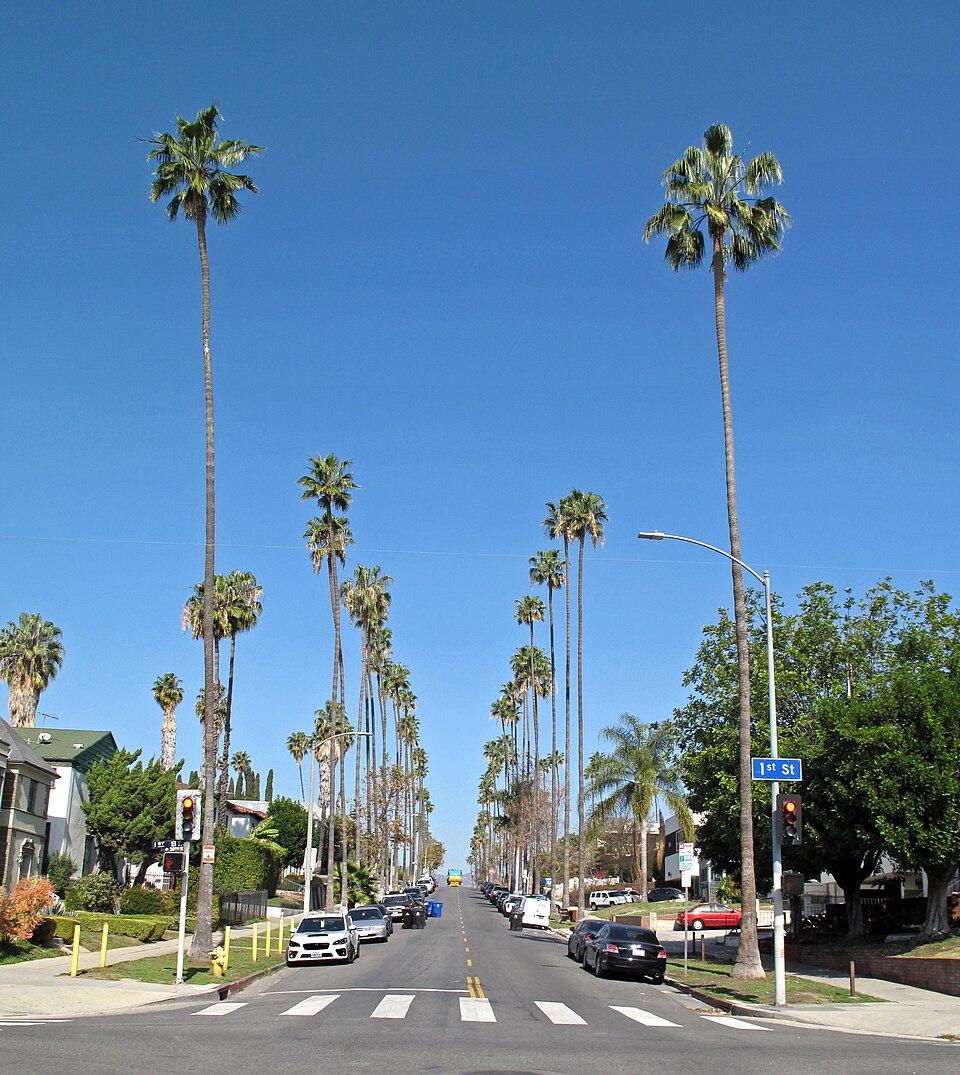
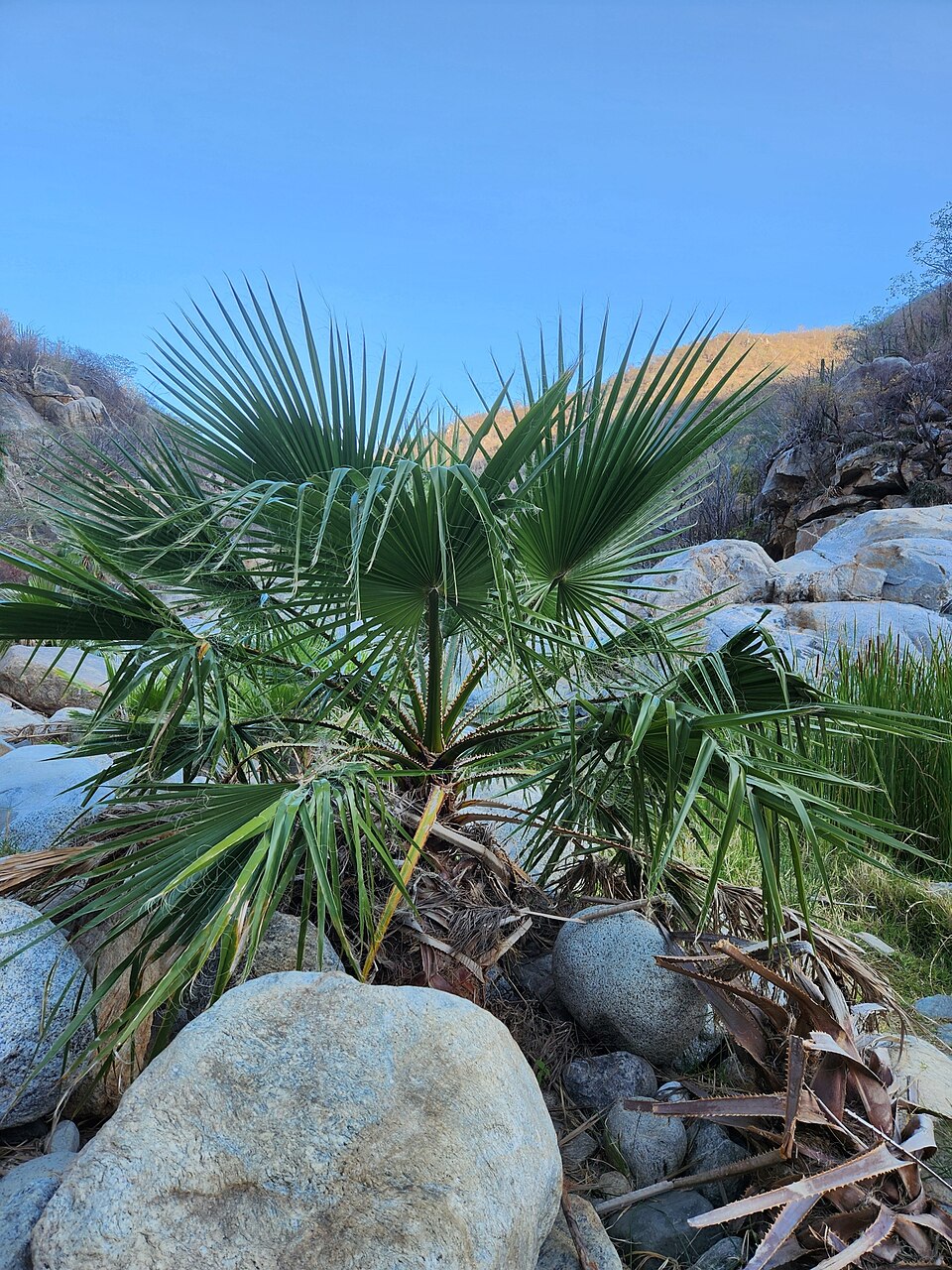
A Mexican fan palm is the tall, slender palm you picture lining boulevards in Southern California, and it brings that same classic look to South Louisiana yards. With a narrow trunk topped by a tight crown of bright green, fan-shaped leaves, a Mexican fan palm adds height and a tropical feel fast. Slidell Nursery offers Mexican fan palms for homes and businesses in Slidell, New Orleans, and the Northshore. Call or text 504-475-8084 to ask which sizes we have available right now.
What Is a Mexican Fan Palm?
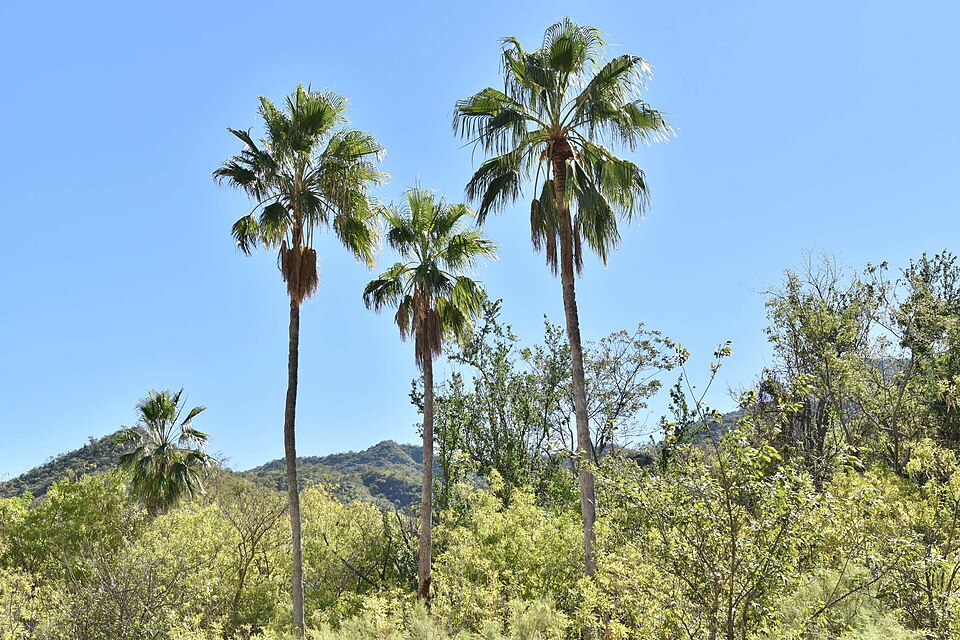
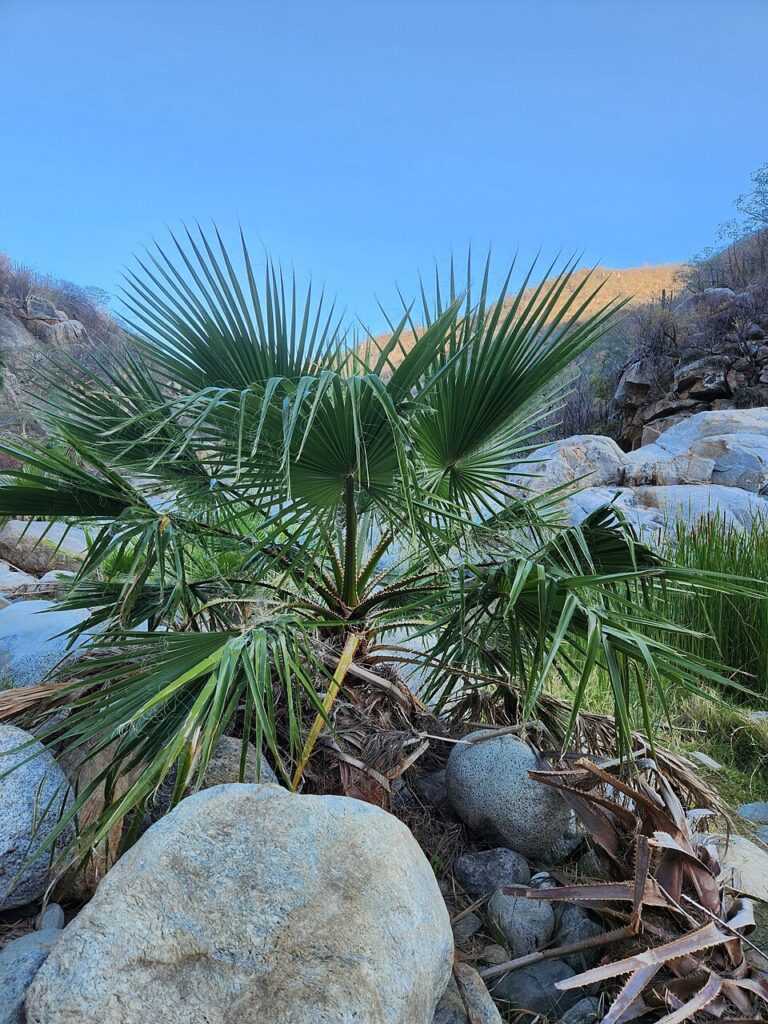
The Mexican fan palm, botanically Washingtonia robusta, is a single-trunk fan palm native to northern Mexico. It is also called the Washington palm or Mexican Washingtonia. Its leaves are round and fan-shaped, several feet across, and held on stems (petioles) edged with sharp, hooked teeth. As new leaves emerge at the top, old leaves die and hang down against the trunk.
It has a close cousin, the California fan palm (Washingtonia filifera), which is shorter and stockier with a thicker trunk. The University of Florida notes that the California species is more cold hardy but prefers a drier climate than the humid Gulf South, which is one reason the Mexican fan palm is the one most often planted here.
Size and Growth Rate
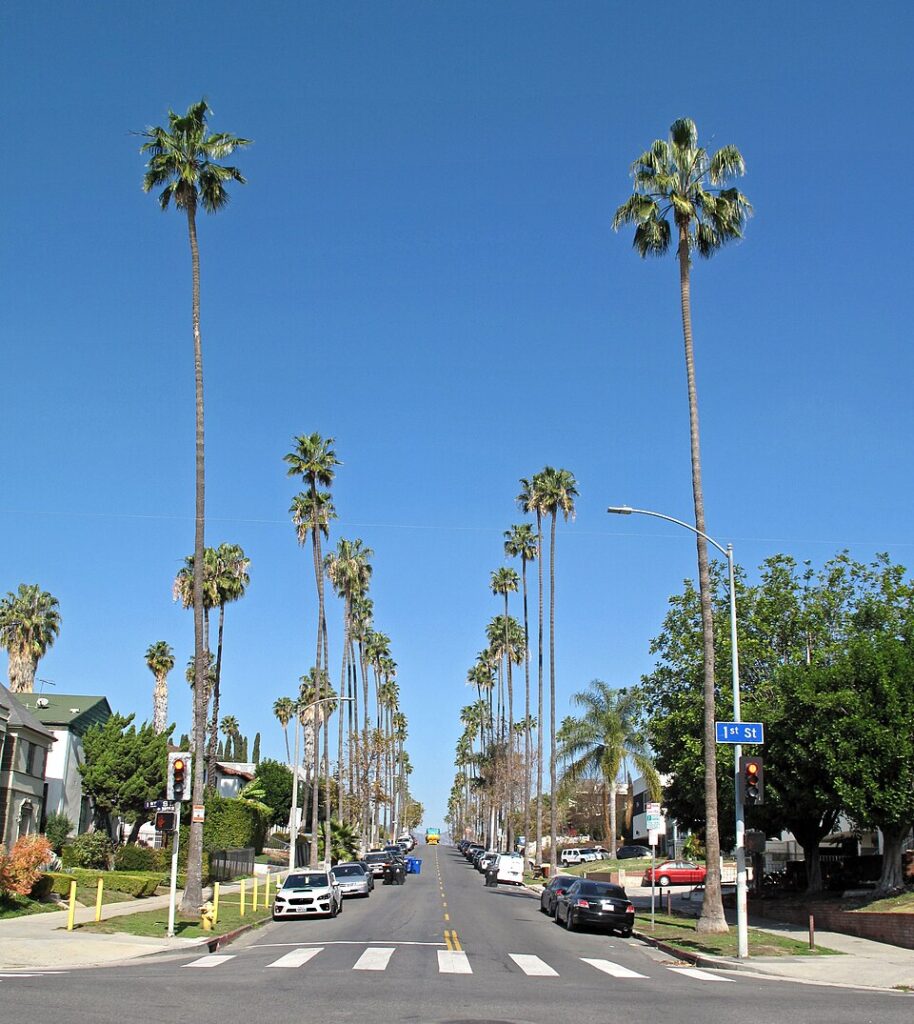
Speed is the big selling point. The Mexican fan palm is a fast-growing species, and University of Florida extension describes it reaching 70 to 100 feet tall at maturity. That means it can quickly give you a dramatic vertical accent, but it also means you should plan carefully: a mature Mexican fan palm can outgrow a typical residential lot and end up far taller than the house.
The trunk stays fairly slim, and the crown stays compact compared with feather palms, so it does not need much horizontal space. What it does need is open sky. Keep it well away from overhead power lines and plant it where a very tall palm will look in proportion, such as large yards, long driveways, commercial frontage, or along a property line.
Why Choose a Mexican Fan Palm?
- Fast height: Few trees or palms add vertical impact as quickly.
- Narrow footprint: The slender trunk and compact crown fit tight spaces at ground level.
- Classic tropical look: Rows of tall fan palms instantly say “coastal” and “resort.”
- Full sun lover: It thrives in our long, hot summers.
- Adaptable to soils: It grows in a wide range of soils as long as drainage is good.
Cold Hardiness in Slidell and New Orleans
According to the University of Florida, the Mexican fan palm is hardy down to about 20°F, or USDA hardiness zone 9A. Slidell and the New Orleans area are close to that limit, so a Mexican fan palm generally does well here, but an unusually hard freeze can still brown the leaves. Young palms without much trunk are more vulnerable than established ones.
To help your palm through winter, plant in spring or early summer so it has a full warm season to root in, keep it watered before a predicted freeze, and leave cold-damaged leaves in place until warm weather returns. Wait for new growth before deciding how much damage the palm really took.
Storms and Wind
This is important for the Gulf Coast. University of Florida extension notes that Mexican fan palms are more prone to snapping or uprooting during severe storms than many other palm species. Their height and slender trunks catch a lot of wind. Plant them where a falling palm would not hit the house, garage, or a neighbor’s property, and avoid stressing the palm with heavy pruning before hurricane season.
Planting a Mexican Fan Palm
Choose a site in full sun with good drainage. Although it is often thought of as a desert palm, University of Florida extension points out that it is native to areas with permanent surface or underground water, so it is not as drought tolerant as many people expect, yet it still does not like soggy, poorly drained ground.
Plant at the same depth the palm grew in its container or field, never deeper. Dig the hole wider than the root ball, backfill with native soil, and water deeply to settle the soil. Taller palms may need temporary bracing for the first several months until new roots anchor them.
Watering and Fertilizing
Water a newly planted Mexican fan palm regularly through its first growing season, keeping the soil moist but not waterlogged. Once established, it handles normal South Louisiana rainfall well and needs extra water mainly during extended dry periods.
Feed with a slow-release palm fertilizer that includes potassium, magnesium, and micronutrients. University of Florida lists potassium deficiency (yellowing and dead tips on older leaves) and boron deficiency (crumpled new leaves) among the nutritional problems of this palm. Following the fertilizer label and avoiding high-nitrogen lawn fertilizer near the trunk helps keep the palm green and healthy.
The “Skirt” and Pruning
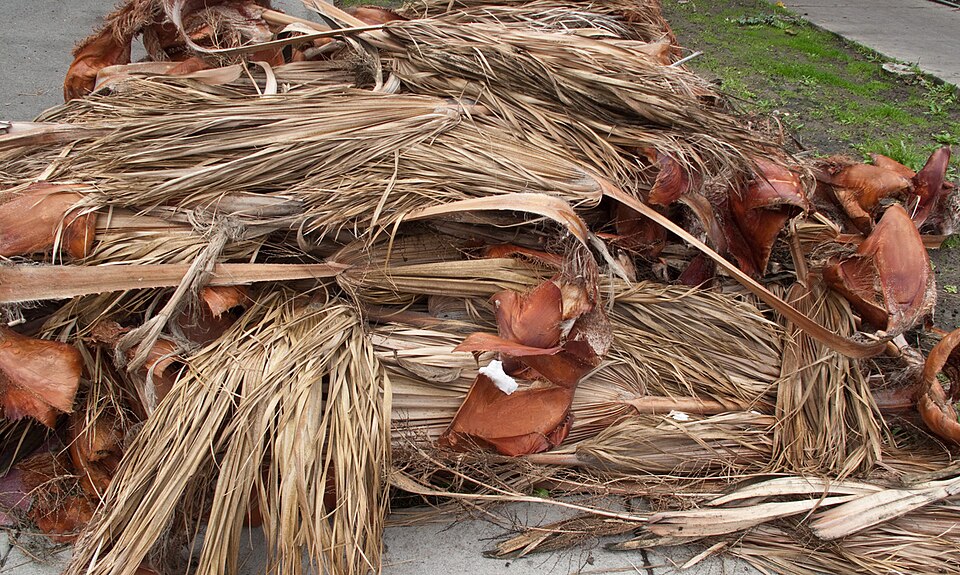
If dead leaves are left alone, a Mexican fan palm forms a thick “skirt” of brown leaves hanging down the trunk, as shown above. Some people like this natural look, but most homeowners prefer a cleaner trunk. You can remove dead leaves as they brown. Leave green leaves in place, since they feed the palm, and avoid over-pruning.
Because a mature palm gets very tall, pruning it usually becomes a job for a professional tree service with the right equipment. Wear gloves when handling leaves, since the leaf stems have sharp teeth. Ask any tree service to clean their saws between palms, because Fusarium wilt, a lethal fungal disease, can affect this palm and spreads on contaminated tools.
Pests and Problems to Watch For
- Fusarium wilt: Look for leaves dying on one side of the crown with stripes along the leaf stem. Tool sanitation is the best prevention.
- Bud rot: University of Florida notes that young Mexican fan palms are quite susceptible to Phytophthora bud rot, though it is seldom seen in palms with visible trunks. Avoid overwatering young palms and keep irrigation off the crown.
- Nutrient deficiencies: Potassium and boron problems are the most common; a quality palm fertilizer helps prevent them.
A Note on Spreading
Mexican fan palms produce lots of seed, and seedlings can come up in nearby beds. In Florida, UF/IFAS recommends this species be used with caution and managed to prevent escape. Pulling seedlings while they are small keeps it under control in your yard.
Landscape Ideas
Tall fan palms look best in groups or rows rather than standing alone in the middle of a small yard. Here are a few ways our customers use them:
- Driveway allée: Plant a row on each side of a long drive, spaced evenly, for a dramatic approach that looks great from the street.
- Staggered clusters: Group three palms of different heights in a large bed for a natural, layered look.
- Commercial frontage: A line of tall palms along a parking lot or storefront is visible from far away and gives a business a coastal identity.
- Property line accent: Use them along the back edge of a large lot where their height draws the eye without crowding the house.
At ground level, pair them with lower plants that like sun and heat, such as lantana, liriope, ornamental grasses, or a mix of flowering shrubs. Keep mulch a few inches away from the trunk, and leave a mowing strip around each palm so string trimmers do not nick the bark. Send us a photo of your space and rough measurements, and we can help you decide how many palms you need and how far apart to plant them.
How It Compares to Other Palms
- Mexican fan palm: Fast growing, very tall and slender, with fan-shaped leaves. Best where you want height quickly and have open space overhead.
- Canary Island date palm: Slow growing with a very thick trunk and a wide crown of feather fronds. See our Canary Island date palm for large, formal landscapes.
- Queen palm: Moderate size with soft, drooping feather fronds. See our queen palm for patios and poolside spots.
Browse all palms and trees at Slidell Nursery to compare more options.
Mexican Fan Palm FAQ
How fast does a Mexican fan palm grow?
Fast. It is one of the quickest palms for adding height and can eventually reach 70 to 100 feet.
Will a Mexican fan palm survive winter in Slidell?
Generally, yes. It is hardy to about 20°F (zone 9A). Hard freezes can brown the leaves, and young palms are more vulnerable than established ones.
Is it a good choice near my house?
Plant it with room to spare. Because it grows so tall and can snap or uproot in severe storms, keep it far enough away that a falling palm would not hit buildings.
What sizes and prices do you have?
Availability changes through the year. Call or text 504-475-8084 for the Mexican fan palm sizes we have in stock and current pricing.
Learn More
For detailed growing information, see the University of Florida IFAS fact sheet Washingtonia robusta: Mexican Fan Palm.
Visit Slidell Nursery to see our palms in person, or call or text 504-475-8084 to ask about a Mexican fan palm for your property.