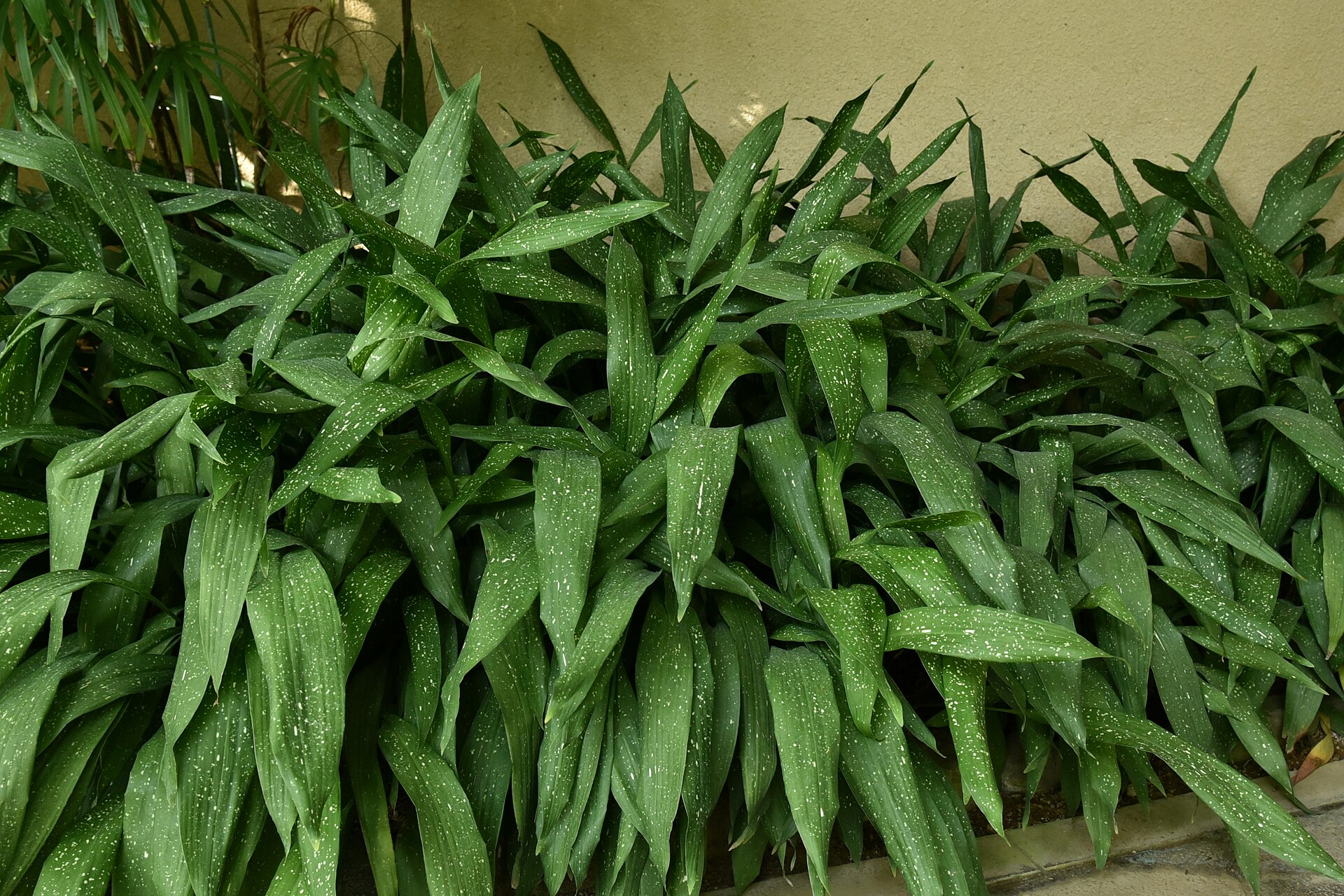
The cast iron plant earned its name by surviving conditions that defeat most other plants: deep shade, root competition, heat, humidity, and neglect. Our cast iron plant is sold in 1 gal pots for $8 and is one of the most reliable evergreens you can plant under trees or on the shady side of a house in South Louisiana.
What Is a Cast Iron Plant?
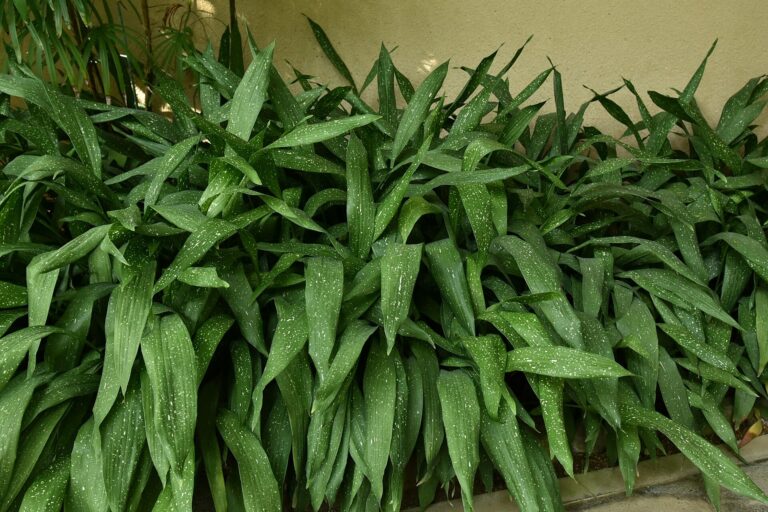
Known botanically as Aspidistra elatior, this plant grows broad, glossy, dark green leaves that rise straight from the ground on short stems. Clumps typically reach about 2 to 3 feet tall and spread slowly by underground stems. Small purplish flowers sometimes form right at soil level, hidden under the foliage, so most people never notice them. The leaves are the show, and they stay attractive year-round in our climate.
It has been a staple of Southern gardens for generations. You will find old clumps thriving in New Orleans courtyards, along shaded alleys, and under live oaks where lawn grass gave up long ago.
Why Choose a Cast Iron Plant?
- Deep shade: grows where very few plants can, including heavy shade under trees and on north-facing walls.
- Evergreen: keeps its dark, glossy leaves through the year.
- Very low maintenance: little feeding, no regular pruning, and tolerance for missed waterings once established.
- Long lived: a planting can last for decades and slowly widen into a dense stand.
- Indoor or outdoor: also makes a durable houseplant for low-light rooms.
- Useful leaves: florists value the long-lasting foliage in arrangements, so a clump in the yard doubles as a cutting garden.
Where to Plant a Cast Iron Plant
Shade is the key
Plant in part to full shade. This is one plant that truly prefers low light. Direct sun, especially hot afternoon sun, bleaches and scorches the leaves, turning them yellow or brown in streaks. If a spot gets more than a couple of hours of direct sun, choose another plant or add shade.
Under trees
Few plants handle the dry shade and root competition beneath large trees. A cast iron plant is one of the best choices for a ground layer under oaks, magnolias, and pines.
Along foundations and fences
The upright leaves make a neat, mid-height mass along the shady side of a house, a fence line, or between buildings where light is limited.
Containers and indoors
Use a container with drainage holes and a quality potting mix. Indoors, keep it in medium to low light away from hot windows, and let the top inch of soil dry slightly between waterings.
How to Plant
- Prepare the bed. Loosen the soil and mix in compost. Rich soil is not required, but drainage is important; avoid spots where water stands after rain.
- Space the plants. Set plants about 18 to 24 inches apart for a mass planting. They fill in slowly, so closer spacing gives a fuller look sooner.
- Set at the right depth. Plant so the top of the root ball is level with the soil surface.
- Water in. Soak the root zone after planting and keep the soil evenly moist for the first several weeks.
- Mulch. Two inches of mulch helps hold moisture and keeps weeds down while the clumps establish.
Cast Iron Plant Care
Watering
Water regularly the first season. Established plants are drought tolerant in shade and usually get by on rainfall, with extra water during long dry spells.
Feeding
Feed lightly in spring with a balanced slow-release fertilizer, following the label. Overfeeding is unnecessary and can cause brown leaf tips.
Grooming
Leaves last a long time, but older ones eventually tear or brown. Cut damaged leaves off at ground level at any time of year. New leaves emerge mainly in spring, so late winter is a good time for a thorough cleanup.
Dividing
Mature clumps can be divided in early spring. Dig the clump, separate it into sections with several leaves and a healthy piece of rhizome, and replant. Divisions may take a season to settle in, as growth is naturally slow.
Troubleshooting
Yellow or bleached streaks
Too much sun. Move the plant or add shade. Damaged leaves will not recover, but new growth will be healthy once conditions improve.
Brown leaf tips
Often caused by drought stress, salt buildup from fertilizer, or cold damage. Water deeply, feed less, and trim the affected leaves.
Freeze damage
Leaves can brown after a hard freeze. Cut them back in late winter; the plant normally regrows from its roots in spring.
Pests
Outdoors it has few problems. Indoors, check the undersides of leaves occasionally for scale or spider mites and wipe them off with a damp cloth.
Seasonal Calendar
- Late winter: remove tattered or cold-damaged leaves before new shoots appear.
- Spring: new leaves emerge. Feed lightly, divide if desired, and refresh mulch.
- Summer: water during dry spells and keep an eye on any plants that receive more sun than expected.
- Fall: a great time to plant, since cooler weather helps roots establish.
- Winter: mostly resting; little care needed.
Design Ideas for Shady Spaces
Because the leaves grow upright and dense, a cast iron plant works almost like a low evergreen hedge for shade. Some ways to use it:
- Courtyard mass: fill a shady courtyard bed with a single solid planting for a calm, classic New Orleans look.
- Screen a utility area: hide air-conditioning units, meters, or downspouts on the shady side of the house.
- Layered bed: place a row at the back, a mid-height row of azaleas, and a low striped edge in front.
- Under stairs and decks: it handles the low light and dry soil found under raised porches better than most plants.
- Large containers: a big pot on a shaded porch makes a bold, low-care statement that lasts for years.
Indoor Cast Iron Plant Care
Indoors, this plant is famous for coping with dim rooms where other houseplants stretch and fade. A spot several feet from a window, or in a hallway with indirect light, is usually fine. Water when the top inch of soil feels dry, then let excess water drain completely; soggy soil is the main thing that harms it indoors. Feed a few times during spring and summer with a diluted houseplant fertilizer, and wipe dust off the broad leaves now and then so they stay glossy. Repot only when roots fill the pot, typically every few years, since it grows slowly and does not mind being a little crowded.
Cutting the Leaves for Arrangements
Florists use the long, sturdy leaves because they last a long time in a vase and can be folded, rolled, or split for modern designs. To cut your own, choose mature, unblemished leaves and cut them at the base with clean pruners early in the day. Place the stems in water right away. Taking a few leaves at a time from an established cast iron plant will not hurt it, but leave most of the foliage in place so the clump stays healthy and full.
A Southern Classic
Long before modern landscape plants became common, Southern gardeners relied on tough, shade-loving evergreens that could survive heat, storms, and little care. This plant was one of them, and many old clumps have been passed between neighbors and family members by division for decades. Planting a cast iron plant today gives a yard that same sense of permanence, with a planting that should still look good many years from now.
Shade Garden Companions
A cast iron plant gives a bold, dark backdrop that makes lighter plants stand out. Try it behind a white-striped edge of Aztec grass, with a front border of liriope, or beneath azaleas for spring color above evergreen foliage.
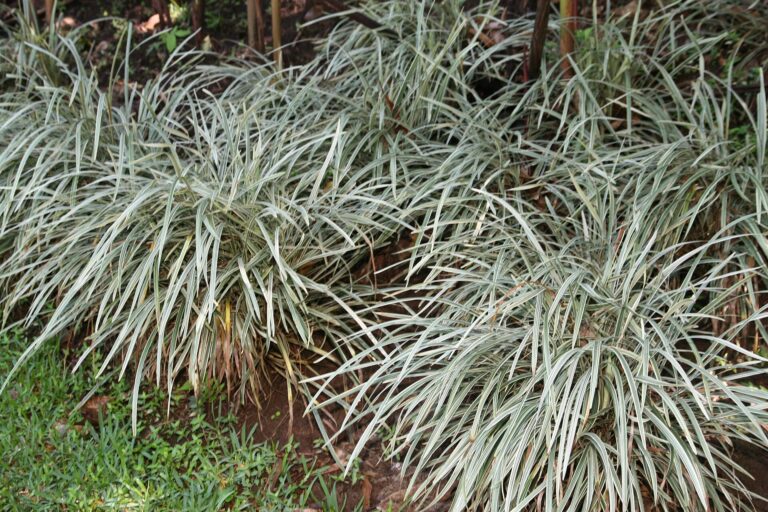
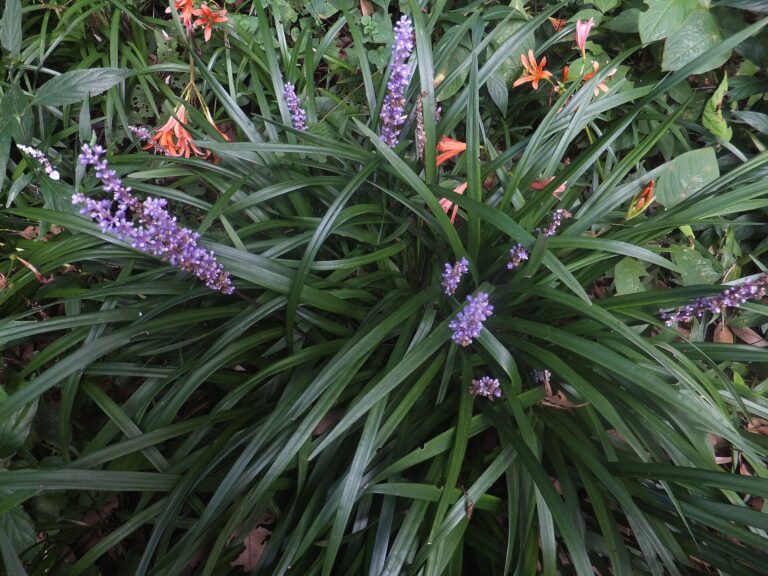

Shop shade partners like Aztec grass, liriope, and our shrubs such as azaleas. For more ideas, see our list of the best plants for Slidell gardens, or read about Aspidistra elatior on Wikipedia.
Cast Iron Plant Price, Delivery, and Pickup
Our cast iron plant is $8 per 1 gal pot. Stock changes with the season, so after you order we confirm availability by call or text and schedule delivery or pickup before your card is charged.
- Local delivery: $25 to Slidell and New Orleans ZIP codes.
- Free pickup: 1605 Lawes St, Slidell, LA 70461.
- Questions: call or text 504-475-8084.
Cast Iron Plant FAQ
How fast does a cast iron plant grow?
Slowly. Expect a few new leaves each spring. That slow pace is part of why it needs so little care.
Can a cast iron plant grow in full sun?
Not well in South Louisiana. Sun scorches the leaves. Give it shade for the best color.
Is it a good houseplant?
Yes. It tolerates low light, dry indoor air, and irregular watering better than most houseplants.
Is it safe around pets?
It is widely grown in homes and yards with pets. As with any plant, discourage chewing and call your veterinarian if a pet eats a large amount of any plant material.
How many plants do I need?
For a mass planting at about 18 to 24 inches apart, plan on roughly one plant for every 2 to 4 square feet. Call or text us with your bed size and we can help estimate.