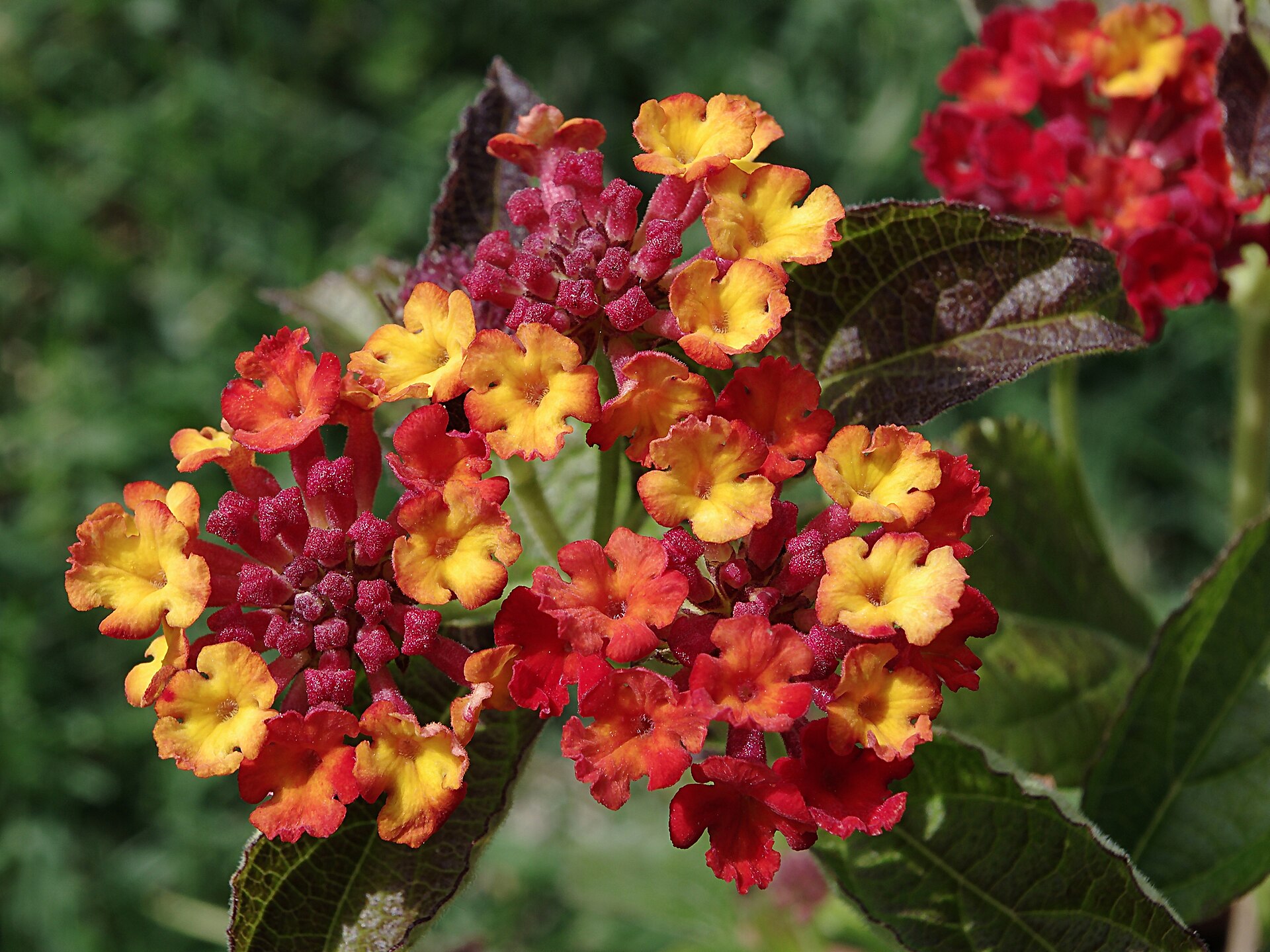
A lantana hanging basket is one of the easiest ways to bring nonstop color to a sunny porch, patio, or carport in South Louisiana. Each lantana hanging basket is $30 and is packed with clusters of small, bright flowers that thrive in the heat and humidity that wilt so many other basket plants.
Why Choose a Lantana Hanging Basket?
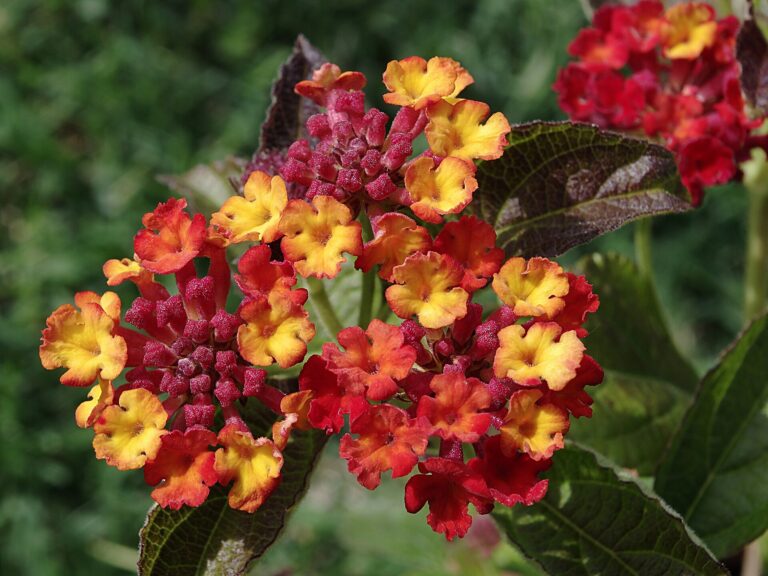
Lantana (Lantana camara and its hybrids) is built for Southern summers. It loves sun, shrugs off heat, and keeps blooming for months with simple care. Each flower cluster often shows several colors at once as blossoms age, so a single basket can look like a mixed planting.
- Heat tolerant: keeps flowering through July and August when many basket plants fade.
- Long bloom season: in our climate, lantana typically blooms from spring until the first cold weather.
- Butterflies and hummingbirds: the nectar-rich flowers are a favorite of butterflies, and hummingbirds visit too.
- Low fuss: no need to remove every spent flower to keep it blooming.
- Ready-made display: a full basket gives instant color without the work of planting one yourself.
Where to Hang Your Lantana Hanging Basket
Sun is the single most important factor. Hang your lantana hanging basket where it gets at least six hours of direct sun, and more is better. Too much shade means fewer flowers and leggy stems.
- Front porches and eaves facing south or west.
- Pergolas and patio covers with open sun for most of the day.
- Shepherd’s hooks in a sunny bed, where butterflies can find it easily.
- Fence or wall brackets along a sunny side yard.
Make sure the hook or bracket is rated for the weight of a wet basket. Soil and water add up quickly, and a soaked basket is much heavier than a dry one.
Watering a Lantana Hanging Basket
Lantana planted in the ground is drought tolerant, but plants in baskets are different. Hanging containers are exposed to sun and wind on all sides and dry out much faster than garden beds.
- Check daily in summer. Push a finger into the soil; if the top inch is dry, water.
- Water thoroughly. Water slowly until it runs out the bottom so the whole root ball is moist.
- Water in the morning when possible, so leaves dry quickly and the plant is ready for afternoon heat.
- Rescue a dry basket by setting it in a tub of water for 20 to 30 minutes so the soil can re-absorb moisture.
Lantana handles brief dryness better than most basket plants, but repeated wilting will reduce flowering.
Feeding and Grooming
Fertilizer
Frequent watering washes nutrients out of containers, so feed regularly. A slow-release fertilizer applied in spring, or a water-soluble bloom fertilizer every couple of weeks during the growing season, keeps flowers coming. Follow the product label and avoid overfeeding, which can produce lots of leaves and fewer blooms.
Trimming
If stems get long and the basket looks thin in the middle, trim the longest stems back by a few inches. New shoots and flower buds follow within a few weeks. A light trim in midsummer often refreshes a tired basket for a strong fall show.
Berries
After flowering, lantana may form small green to dark berries. Snipping off berry clusters directs energy back into flowers. The berries are considered toxic if eaten, so hang baskets out of reach of children and pets and clean up fallen berries.
Seasonal Care in South Louisiana
- Spring: hang the basket in full sun after the danger of frost passes, begin regular feeding, and water as the weather warms.
- Summer: peak bloom and peak water use. Check moisture every day and trim leggy stems as needed.
- Fall: lantana often puts on another strong flush of flowers as temperatures ease.
- Winter: lantana is tender to hard freezes, and roots in a basket are more exposed than roots in the ground. Before a freeze, move the basket into a garage or other protected spot. You can also plant it in a sunny bed in fall, where it may come back from the roots in spring.
Troubleshooting
Few flowers
Usually too little sun or too much nitrogen fertilizer. Move the basket to a brighter spot and switch to a bloom fertilizer.
Yellow leaves
Can mean the soil is staying soggy or that the plant needs feeding. Let the top inch dry between waterings and feed on schedule.
Wilting at midday
Some afternoon droop on very hot days is normal. If the basket is still wilted in the evening or the soil is dry, water right away.
Insects on leaves
Whiteflies, lace bugs, or mites occasionally appear in hot, dry weather. Rinse the leaves with water and remove badly affected stems. If you use any treatment, choose one labeled for lantana and use it in the evening to protect pollinators.
Lantana Colors and Looks
Lantana comes in a wide range of colors, from sunny yellow and orange to red, pink, lavender, and white. Many varieties have flower clusters that open one color and shift to another as they age, giving a two- or three-tone effect. Some types grow in a mounding shape that fills the top of a basket, while trailing types spill over the sides. A lantana hanging basket usually combines both effects: a full crown of flowers on top and stems that soften the edge of the container.
Keeping Your Lantana Hanging Basket Full All Season
A basket looks its best when it stays dense and covered in blooms. A few habits make a big difference:
- Rotate it. Turn the basket a quarter turn every week or two so every side gets sun and the plant grows evenly.
- Pinch early. In spring, pinch back the tips of a few stems to encourage branching and a bushier shape.
- Trim in summer. If the center opens up, cut the longest stems back by a third; it will regrow and rebloom.
- Feed on a schedule. Set a reminder so fertilizing does not get skipped during busy months.
- Protect from storms. Take the basket down before strong winds or tropical storms so it is not damaged or blown off its hook.
Great for Pollinators
If you enjoy watching wildlife, a lantana hanging basket is a simple way to bring it close to the house. Butterflies such as swallowtails, sulphurs, and skippers commonly feed on lantana flowers, and hummingbirds may stop by as well. Hanging the basket near a window or seating area lets you enjoy the visitors up close. Avoid spraying insecticides on blooming plants, since they can harm the same pollinators you are trying to attract.
Moving to a Larger Pot
By late summer, a vigorous basket may have filled its container with roots and need water more than once a day in extreme heat. If that happens, you can move it into a slightly larger basket or a patio pot with fresh potting mix. Choose a container with drainage holes, keep the plant at the same depth, and water well after transplanting. You can also simply enjoy the basket through the season and plant it in a sunny garden bed in fall.
Pair It With Other Sun Lovers
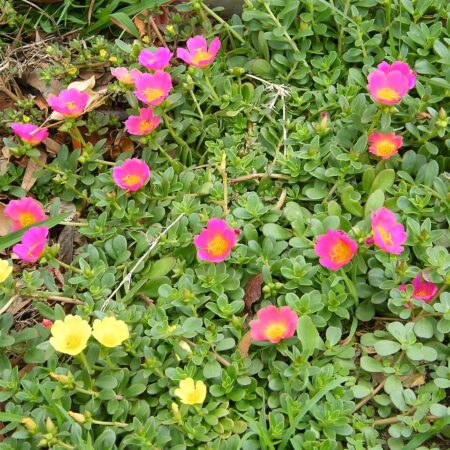
For a coordinated porch, hang your lantana hanging basket above containers or beds of other heat-tough bedding plants. Purslane, trailing verbena, and Mona lavender all enjoy similar conditions and add contrasting colors and textures.


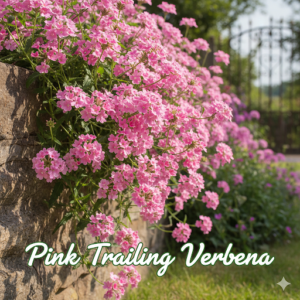
Shop more color in our bedding plants, including lantana for the ground, purslane, trailing verbena, and Mona lavender. For more ideas, see our list of the best plants for Slidell gardens, or learn about the species Lantana camara on Wikipedia.
Lantana Hanging Basket Price, Delivery, and Pickup
Each lantana hanging basket is $30. Colors and availability change through the season, so after you order we confirm by call or text and schedule delivery or pickup before your card is charged. Tell us if you have a color preference and we will do our best to match it.
- Local delivery: $25 to Slidell and New Orleans ZIP codes.
- Free pickup: 1605 Lawes St, Slidell, LA 70461.
- Questions: call or text 504-475-8084.
Lantana Hanging Basket FAQ
How often should I water a lantana hanging basket?
In summer, check every day and water whenever the top inch of soil is dry. In cooler months, every few days is often enough.
Does a lantana hanging basket need full sun?
Yes. Six or more hours of direct sun gives the best flowering.
Will it attract butterflies?
Very likely. Lantana is one of the most popular butterfly plants in Southern gardens.
Can I plant it in the ground later?
Yes. Plant it in a sunny, well-drained bed. In-ground lantana is more drought tolerant and often returns from the roots after mild winters.
How long will a lantana hanging basket last?
With full sun, regular water, and feeding, a lantana hanging basket can stay in bloom from spring until cold weather arrives. Protect it from freezes and it may carry over to the next year.
Does it make a good gift?
A full, blooming basket makes an easy gift for Mother’s Day, housewarmings, or anyone with a sunny porch.