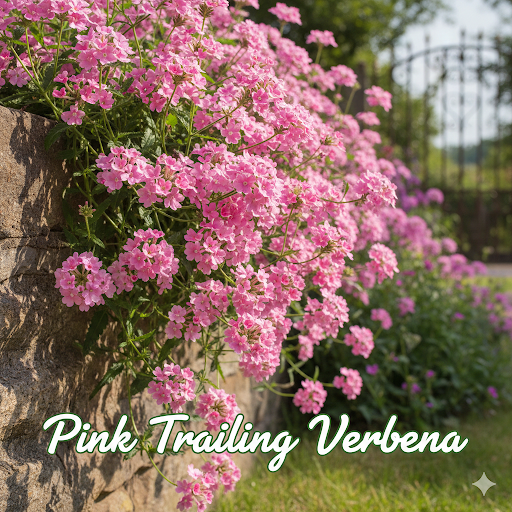
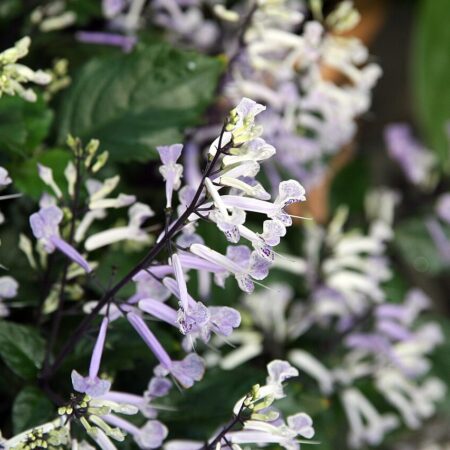
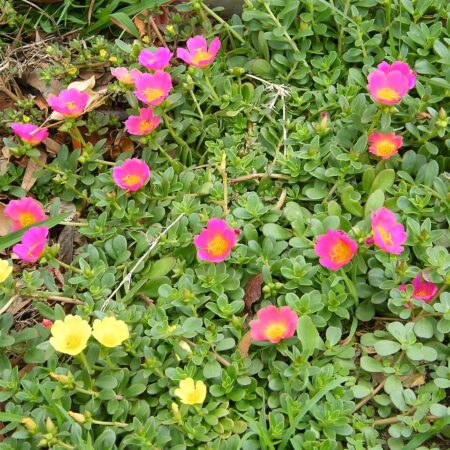
Trailing Verbena is a vibrant, flowering plant loved for its long blooming season and low-maintenance nature. With clusters of small, colorful flowers, it adds charm to garden beds, borders, hanging baskets, and containers. Trailing Verbena blooms continuously from spring through fall, making it a perfect choice for bright, cheerful landscapes.
Key Features
✔ Produces clusters of small, star-shaped flowers
✔ Available in purple, pink, and white
✔ Attracts butterflies and pollinators
✔ Blooms throughout the year
✔ Ideal for garden beds as a colorful groundcover. Creates a wonderful border!
✔ Creates a beautiful cascading effect when used in containers.
Trailing verbena is a vibrant, low-growing flowering perennial belonging to the Verbenaceae family. Known scientifically as Verbena canadensis (or Glandularia canadensis) as well as through popular hybrids like Verbena x hybrida, this resilient plant is prized for its long blooming season and its elegant, cascading growth habit. It forms a dense, colorful carpet of flowers that stretches across garden beds, spills beautifully over retaining walls, and tumbles gracefully from hanging baskets.
Botanical Profile and Appearance
The plant typically reaches a mature height of 6 to 12 inches but can spread efficiently between 1 to 3 feet wide. Its stems are creeping and multi-branching. They often root directly into the surrounding soil or mulch as they travel, creating a tight, weed-suppressing mat.
The foliage consists of medium to deep green leaves that are opposite, ovate, or lance-shaped. These leaves feature distinct coarsely toothed or lobed margins. They possess a slightly rough texture. When crushed, the leaves release a faint, pleasant, aromatic scent.
The defining feature of trailing verbena is its abundant, round flower clusters. These clusters measure about 2 to 3 inches in diameter and are held on stems just above the dense foliage. Each cluster is tightly packed with small, five-petaled, star-shaped blossoms. The color palette is exceptionally broad and vivid, featuring intense shades of royal purple, rich red, bright pink, lavender, blue, and pure white. Some modern cultivated varieties even showcase striking bicolored striped patterns or contrasting center eyes.
Landscape Uses
Due to its versatile growth habit, trailing verbena serves multiple design functions in home landscapes:
- Ground Cover: It creates an expansive blanket of color along sunny borders, slopes, or open terrain.
- Rock Gardens: The low profile allows it to weave tightly through rocky crevices and exposed ledges.
- Containers and Hanging Baskets: It acts as the classic “spiller” in mixed container designs, cascading over the edges of pottery, window boxes, and elevated planters.
- Wildlife Gardens: The nectar-rich blossoms act as a powerful magnet for vital pollinators, drawing in continuous waves of butterflies, bees, and hummingbirds.
Cultivation and Optimal Care
Trailing verbena thrives in hot, sunny environments. It requires full sun exposure to maximize its blooming potential; planting it in shaded areas drastically reduces flower production and leaves the plant vulnerable to diseases. It is highly adaptable to varying soil types but strictly demands sharp, excellent drainage. It is highly susceptible to root rot if forced to sit in soggy, waterlogged soil.
While it is exceptionally heat-tolerant and drought-tolerant once fully established, the plant performs best with regular weekly waterings during peak summer dry spells. When watering, it is best practice to apply water directly to the base of the plant to keep the foliage dry.
To sustain its heavy blooming cycle from early spring until the first autumn frost, gardeners benefit from applying a balanced garden fertilizer every 6 to 8 weeks. Regular deadheading—the removal of faded, spent flower heads—is also recommended. This practice prevents the plant from wasting energy on seed production and continuously stimulates the growth of fresh, vibrant flower buds.
Hardiness and Varieties
Trailing verbena behaves differently depending on the regional climate. In USDA hardiness zones 7 through 11, it grows reliably as a hardy perennial. In colder northern climates, it cannot survive freezing winter temperatures and is instead grown as a fast-growing, heavy-blooming annual.
Among its popular varieties, ‘
Homestead Purple‘ stands out as an exceptionally vigorous cultivar featuring deep purple flowers and stellar heat tolerance. The ‘
Lanai‘ and ‘
Superbena‘ series are also widely sought after by modern gardeners due to their superior resistance to powdery mildew, robust growth, and long-lasting seasonal displays.